
Authored by Tamuz Itai via The Epoch Times,
Over the past three decades, the Western world has been in a constant state of turmoil—facing terrorist attacks, wars, financial crises, pandemics, and political divisions. These events have dominated headlines, drained resources, and diverted the attention of policymakers across the Western world.
This has resulted in a fractured focus, where immediate crises take precedence over long-term threats.
However, when we examine moments of Western disarray alongside China’s timeline, a clear pattern emerges. Many of China’s significant advancements—whether territorial, economic, or institutional—have occurred during or just before periods of distraction in the West.
A Timeline of Overlaps
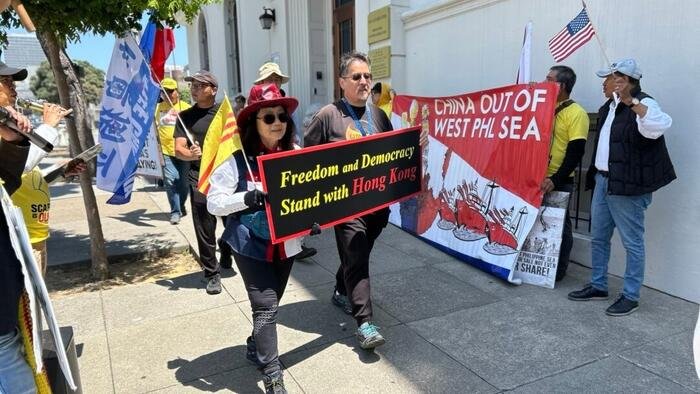
The pattern begins in 1997 when Thailand devalued its baht on July 2, triggering the Asian Financial Crisis. Just one day prior, on July 1, Britain handed over Hong Kong to Beijing, marking China’s assumption of sovereignty over a major financial center at the height of the crisis.
In 1999, during NATO’s Kosovo campaign, a tragic bombing of the Chinese Embassy in Belgrade by U.S. warplanes led to widespread protests in China. This incident coincided with the Chinese Communist Party’s persecution of the Falun Gong spiritual group.
The turn of the millennium saw the September 11, 2001 terrorist attacks in the U.S., followed by China’s formal entry into the World Trade Organization three months later. As the U.S. focused on combating terrorism, China capitalized on its newfound access to global markets.
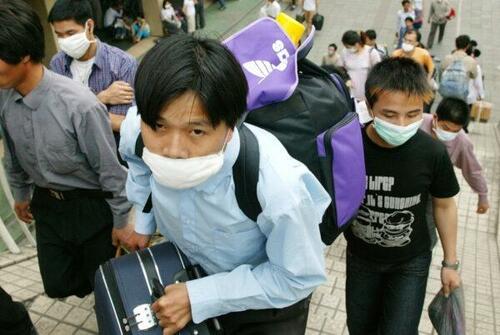
By 2003, as the U.S. invaded Iraq, China faced the spread of Severe Acute Respiratory Syndrome (SARS), its first modern pandemic. This distraction allowed China to downplay the severity of the outbreak and clamp down on reporting.
In 2005, the London transit bombings were met with increased anti-terrorism measures in Europe, while China expanded its economic and security ties with the U.S. during the same period.
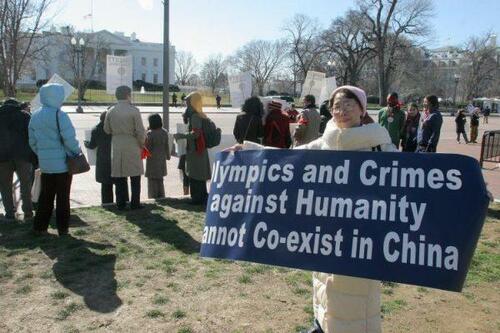
The 2008 Beijing Olympics showcased China’s rising global influence just as the Global Financial Crisis hit, allowing China to implement a massive stimulus package that stabilized its economy and boosted global demand.
In 2010, Europe faced a sovereign debt crisis, allowing China to increase its overseas lending and impose restrictions on rare-earth mineral exports. This move bought China influence in European nations.
The early 2010s saw Western focus on events like the Arab Spring and the Eurozone crisis, while China prepared for a leadership transition under Xi Jinping, setting the stage for a more assertive posture.
In 2014, Russia’s annexation of Crimea and the founding of the Asian Infrastructure Investment Bank signaled China’s efforts to build alternative financial structures as the West grappled with sanctions and international norms.
In 2015, China navigated economic challenges while the EU dealt with ISIS attacks, highlighting China’s ability to fortify its financial position amidst global turmoil.
The 2016 Brexit vote and the South China Sea ruling in The Hague demonstrated China’s ability to assert its interests while Western alliances faced internal divisions.
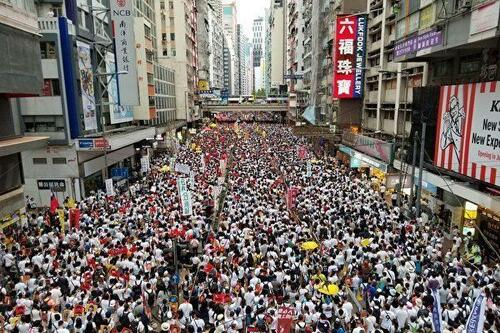
In 2019, as Hong Kong protests erupted, China faced scrutiny over issues like tech security, highlighting the evolving dynamics of great-power rivalry.
The onset of the COVID-19 pandemic in 2019 and subsequent events like the imposition of the National Security Law in Hong Kong underscored China’s ability to capitalize on global crises.
In 2021, the U.S. withdrawal from Afghanistan provided China with an opportunity to strengthen ties in Central Asia, showcasing its strategic maneuvering in response to Western setbacks.
In 2022, Russia’s invasion of Ukraine coincided with a strategic partnership between China and Russia, demonstrating China’s ability to leverage geopolitical events to advance its interests.
In 2023, Hamas’s assault on Israel and China’s diplomatic moves in the Middle East highlighted China’s ability to navigate regional conflicts while the West was preoccupied.
As we move into 2025, the impact of the Trump administration’s trade policies on China’s supply chains underscores the ongoing strategic competition between the two powers.
Key Patterns Identified
From the above timeline, several key patterns emerge:
-
Strategic timing: China tends to make significant moves during Western crises, allowing it to advance its interests.
-
Counter-cyclical advantage: China capitalizes on Western economic downturns to expand its influence.
-
Institutional stress tests: China creates alternative institutions and defies international norms during Western challenges.
-
Domestic consolidation: China tightens internal controls amidst global distractions.
-
Hedging and broker posture: China positions itself as a neutral broker in conflicts, enhancing its diplomatic standing.
-
Consistent rhythm: China’s strategic moves occur within specific timeframes, taking advantage of crisis windows.
While these patterns do not prove causation, they do highlight a tendency for China to act opportunistically during Western distractions. This underscores the need for Western powers to maintain vigilance and address strategic vulnerabilities.
Final Thoughts
As history has shown, China’s strategic maneuvers often coincide with Western distractions, allowing it to advance its interests while the West is preoccupied. By recognizing these patterns and staying alert to geopolitical developments, the West can better navigate the challenges posed by China’s assertive actions.
Disclaimer: The views expressed in this article are opinions of the author and do not necessarily reflect the views of The Epoch Times or ZeroHedge.
Loading recommendations…