
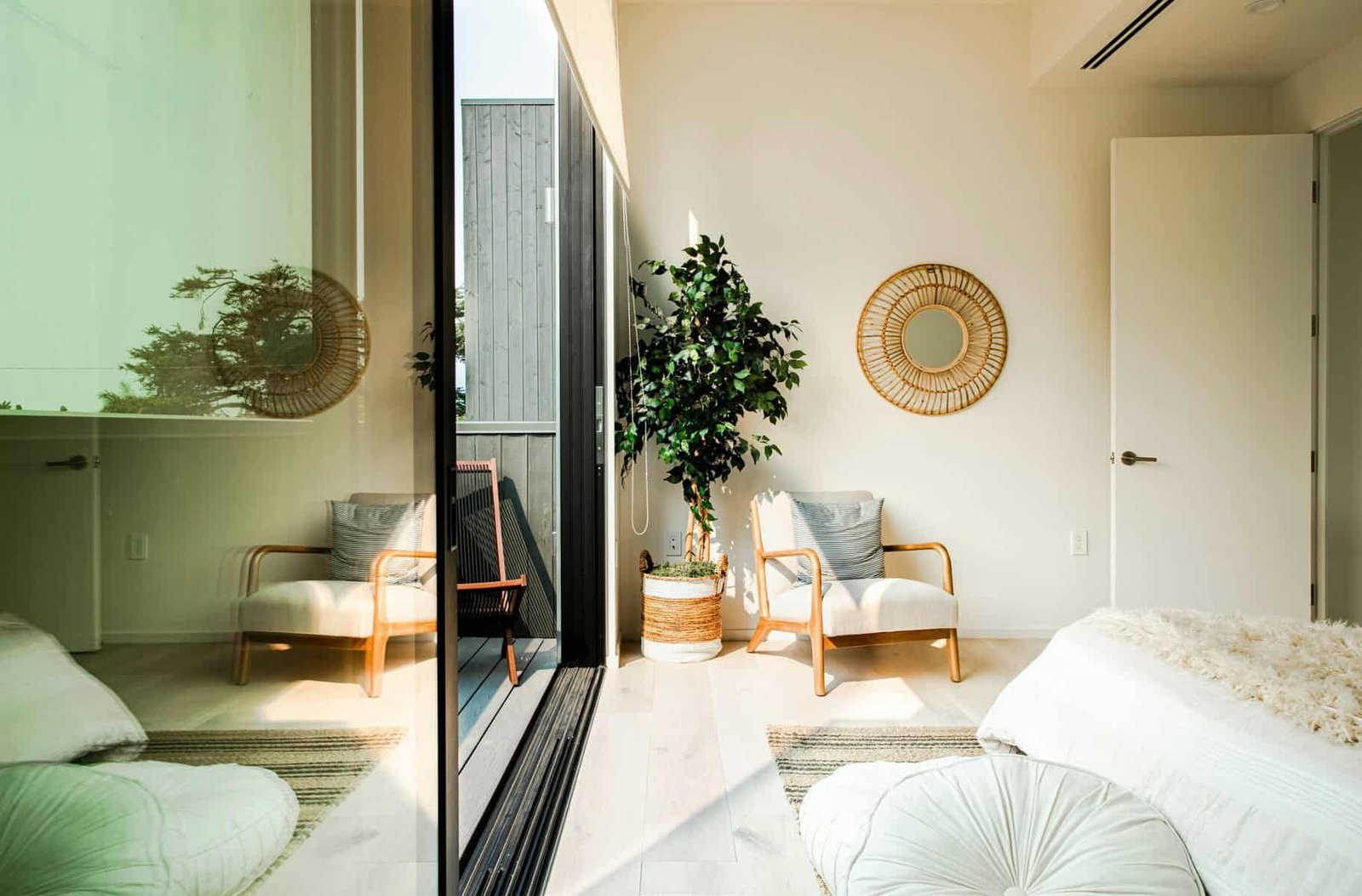
Having ample natural light in your home can transform the way it feels and looks. A room that was once dim and cramped can instantly feel brighter, more spacious, and more inviting just by allowing more daylight in. Natural light not only enhances the aesthetics of a space but also influences the overall mood of the occupants and the appeal of the property to potential buyers.
Whether it’s strategically positioning windows to capture city views in Chicago, IL, or using mirrors and open curtains to maximize sunlight in a home in Provo, UT, there are various ways to optimize the natural light your home receives. Here are some significant advantages of having natural light in a home:
1. Creates a Sense of Spaciousness
Natural light has the ability to make a room feel more open and airy. Bright spaces appear less confined, while dark corners and shadows can make a room seem smaller than it actually is.
Strategic placement of windows and glass doors allows daylight to penetrate deeper into a room, creating a sense of depth. This effect is particularly noticeable in smaller rooms, narrow hallways, and compact living areas where visual space is crucial.
Mike McKiddie, Vice President of Architectural Design at Aubuchon Homes, emphasizes the importance of thoughtful natural light design in making spaces feel larger and more inviting. He states, “Natural light is carefully considered from the home’s orientation to the placement of windows and glass doors. Well-designed natural light can enhance architectural details, create a stronger connection between indoor and outdoor living, and make spaces feel more spacious.”
The key lies not in having numerous windows but in placing them strategically to maximize their impact.
2. Boosts Mood and Well-being
Stepping into a room flooded with natural light can instantly uplift one’s spirits. Sunlight can create a cheerful and comfortable atmosphere in a home, affecting how people feel in that space throughout the day.
Moreover, natural light is closely linked to our daily routines and exposure to daylight can help regulate our sleep-wake cycle. While a bright room may not solve all problems, a well-lit and inviting home can certainly contribute to a more pleasant environment.
Beazy Clark from Pinnacle Realty highlights the emotional impact natural light can have on buyers, stating, “Natural light can enhance a buyer’s sense of happiness, associating the house with positive emotions. Natural light adds the final touch to a masterpiece.”
This emotional response is particularly valuable when spending extended periods at home or when trying to create a welcoming ambiance for visitors.
3. Elevates Visual Appeal
Natural light accentuates the details of a home, making them more noticeable and appreciable. It brings out the colors of walls and flooring, highlights architectural elements, and enhances textures. Even the choice of furniture and decor can appear different based on the amount of natural light entering the room.
This is why lighting plays a crucial role in preparing a home for photos or showings. A naturally illuminated room often photographs and presents itself differently compared to the same room under artificial lighting only. Considering the buyer’s perspective, it’s clear why natural light is a significant factor in the home buying process.
AB-Photography, a real estate and architectural photography company, emphasizes the impact of natural light in showcasing a home’s true character. They explain, “Natural light is one of the most effective ways to bring out a home’s natural colors and textures, create depth, and make rooms feel brighter, more spacious, and welcoming.”
For homeowners, maximizing natural light can be as simple as opening curtains before a showing, trimming obstructive landscaping, or choosing window treatments that allow ample daylight into the room.
4. Potential for Energy Efficiency
In addition to its aesthetic and psychological benefits, natural light can contribute to reducing the reliance on artificial lighting during the day. Rooms that receive abundant sunlight may require minimal use of electric lights, potentially lowering electricity consumption.
However, simply adding more windows does not guarantee a more energy-efficient home. Factors like window orientation, glazing, insulation, shading, and climate conditions all play a role. Large south- or west-facing windows, for instance, can bring in plenty of daylight but may also increase heat gain if not properly shaded during warmer months.
Therefore, optimal utilization of natural light is achieved when it’s integrated into the overall design of the home. Well-placed windows can strike a balance between daylight, comfort, privacy, and energy efficiency rather than just increasing the amount of glass.
5. Enhances Resale Value
Natural light is a feature that can significantly enhance a home’s appeal to potential buyers, thereby increasing its resale value. Bright and inviting spaces are easier for buyers to envision themselves living in, creating a strong initial impression.
While natural light is not the sole determinant of a home’s value, it contributes to the overall experience for buyers during property tours. Features such as expansive windows, skylights, glass doors, and well-designed living areas can set a home apart, especially when they offer attractive views or seamlessly connect indoor and outdoor spaces.
For sellers, maximizing natural light can be a simple yet effective way to enhance the presentation of their home without undertaking major renovations. Cleaning windows, opening blinds, decluttering around windows, and incorporating lighter colors or reflective surfaces to enhance daylight penetration are all strategies that can improve the overall appeal.
How to Increase Natural Light in Your Home
Not every home benefits from large windows or ideal sun exposure, but there are ways to make any space feel brighter. Consider the following tips:
- Keep windows clean and unobstructed
- Use sheer or light-filtering window treatments
- Opt for lighter wall colors and finishes
- Position mirrors to reflect natural light
- Trim trees or foliage blocking windows
- Incorporate glass doors to connect indoor and outdoor spaces
- Consider skylights or solar tubes for additional light sources
- Avoid placing furniture that obstructs natural light
Natural light goes beyond being a design element; it has the power to create a sense of spaciousness, foster a positive atmosphere, accentuate a home’s best features, and potentially reduce the need for artificial lighting. Whether you’re designing a new home, updating your current space, or preparing to sell, harnessing the available daylight can have a significant impact on the overall look and feel of your home.