
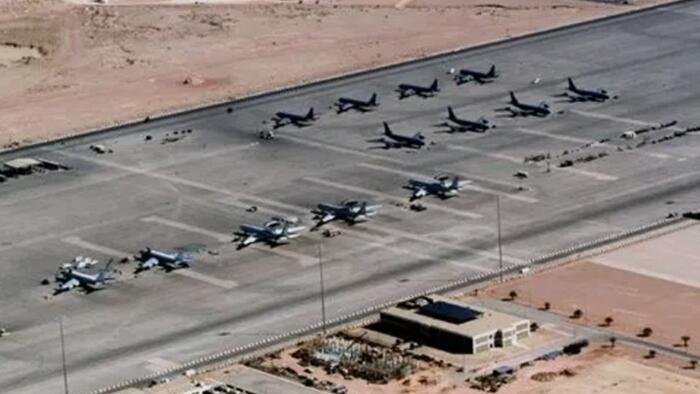
It is widely known that America’s Gulf allies faced the brunt of Iran’s military retaliation following Operation Epic Fury. Recent reports suggest that Washington is facing pushback in terms of maintaining ongoing base access in the region.
President Trump made a sudden decision to halt plans to support commercial shipping through the Strait of Hormuz after Saudi Arabia suspended US military access to its bases and airspace for the operation. This move caught Gulf allies off guard and triggered anger in Riyadh. Saudi Arabia informed Washington that US forces would not be allowed to operate aircraft from Prince Sultan Air Base southeast of Riyadh or transit Saudi airspace to support the mission.
Other Gulf allies, including Kuwait, also took similar actions to cut or restrict base access. Despite attempts to resolve the issue through a call between Trump and Saudi Crown Prince Mohammed bin Salman, Project Freedom had to be paused to restore US military access to critical airspace.
Trump framed the pause as necessary to finalize and sign agreements based on requests from Pakistan and other countries. However, negotiations did not progress, and the conflict with Iran continued.
The White House denies the main content of the NBC report, claiming that regional allies were briefed in advance. The level of retaliation unleashed by Iran on the region shocked Washington, with reports of American bases being targeted and significant infrastructure damage.
Follow-up reports indicate that over a dozen US regional bases were severely damaged, a fact that the Pentagon has tried to downplay or keep hidden.