
Authored by Mollie Engelhart via The Epoch Times
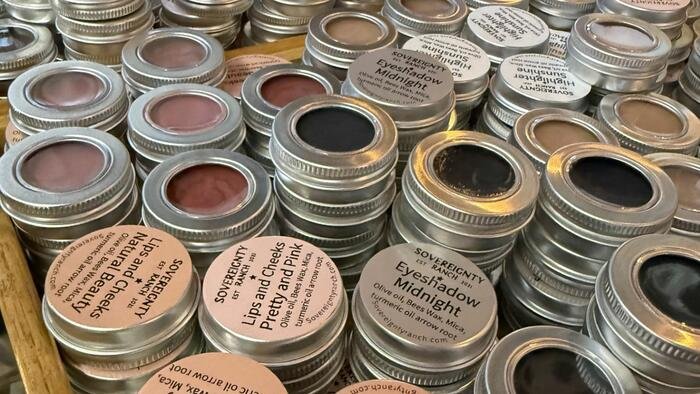
Stepping out of the restaurant at 9:40 PM, I glanced at my hands and saw them stained with vibrant pigments – reds, pinks, and earthy browns from crafting makeup.
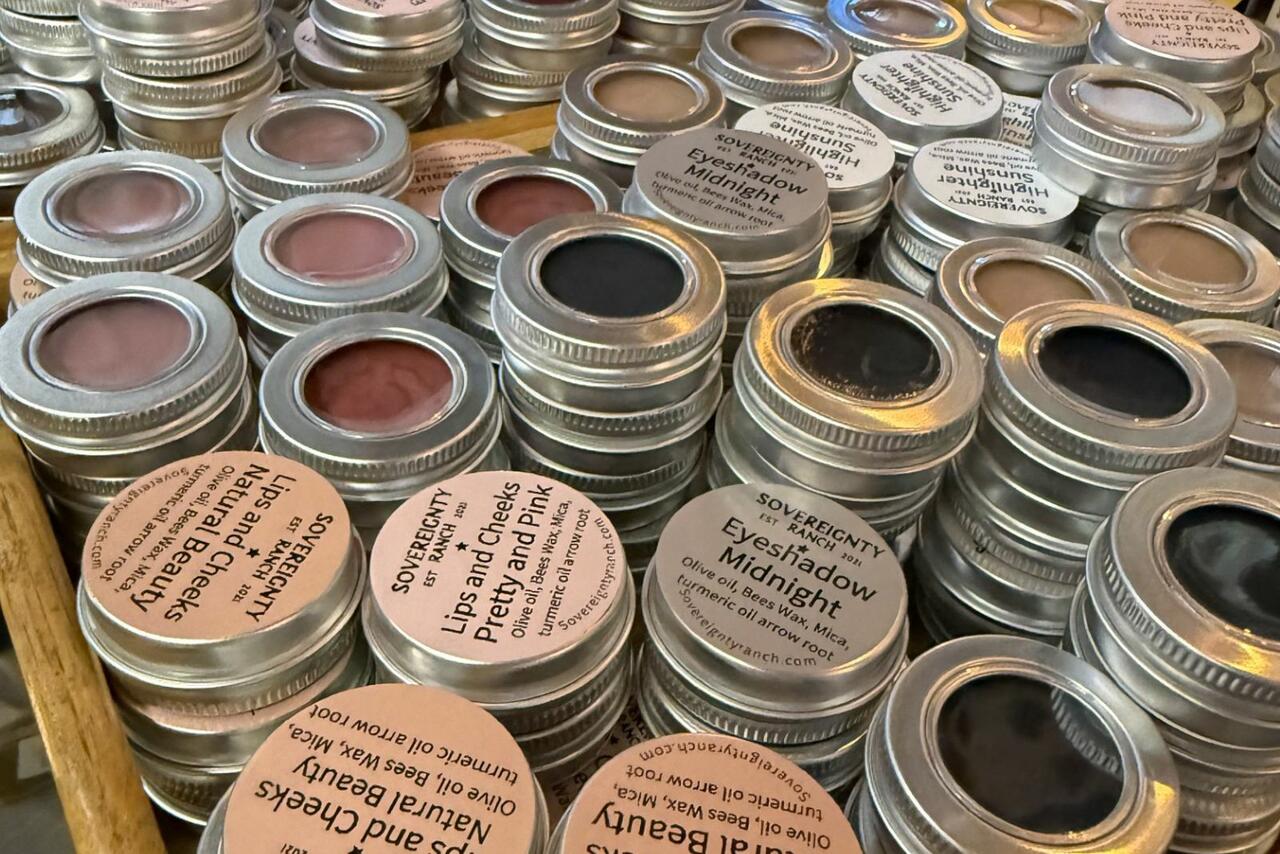
Completing the task of making 200 tins of lipstick and eyeshadow for our farm store, I felt a sense of achievement in creating something from scratch. Now, it was time to head back up the hill and tuck my children into bed.
Reflecting as I walked, I pondered over the various tasks my hands had undertaken throughout the day.
From writing an article in the morning to setting up the pumpkin patch, ordering food, negotiating contracts, and handling event details, my day was a blend of diverse activities. Crafting, decorating, podcasting, serving customers, cooking, organizing, and searching for lost items all found a place in my hectic schedule.
Unexpected challenges like a bull escaping and moving a refrigerator further added to the day’s events.
Juggling between work, homeschooling, and ranch responsibilities, I managed to squeeze in time for personal projects like curriculum writing, crafting, and making ice cream. Amidst the chaos, there were constant demands from children, pets, and ranch chores that needed attention.
As I admired the tins of makeup I had created with my stained hands, I realized how diverse and unrelated my tasks of the day were.
Writer. Teacher. Event planner. Crafter. Podcaster. Waitress. Barista. Line cook. Rancher. Curriculum writer. Ice-cream maker. Mother.
None of these titles define me entirely, and I acknowledge that I am not a master in most of them.
Recalling the phrase “Jack of all trades, master of none,” I contemplated its implications. Historically viewed as a caution against lack of specialization, I discovered a modern twist to the saying that sheds a more positive light on versatility.
Embracing the idea that being adept at multiple skills is valuable, I reflected on the diminishing importance of mundane but essential abilities across generations.
Skills like sewing, cooking, gardening, preserving food, and basic repairs were once integral to daily life, ensuring self-sufficiency and resilience in the face of challenges.
While modern conveniences have alleviated many burdens, there is a risk of losing practical competence in exchange for convenience.
Engaging in ranch life has exposed me to a myriad of unforeseen tasks that demand quick thinking and adaptability. The constant problem-solving has pushed me beyond my comfort zone, teaching me that capability transcends mastery.
Empowering my children with a diverse set of skills and fostering a mindset of continuous learning and adaptability is essential in a world that values specialization.
Ultimately, the ability to tackle new challenges with confidence and resilience is a form of sovereignty that transcends expertise.
As I washed my hands that night, stained with the remnants of creativity, I embraced the uncertainty of not being a master in every domain but finding fulfillment in the breadth of experiences and skills acquired throughout the day.
As we navigate the delicate balance between convenience and competence, let us not forget the value of being a jack of all trades, embracing versatility, and cultivating a spirit of lifelong learning.
Mollie Engelhart, regenerative farmer and rancher at Sovereignty Ranch, is committed to food sovereignty, soil regeneration, and educating on homesteading and self-sufficiency. She is the author of “Debunked by Nature“: Debunk Everything You Thought You Knew About Food, Farming, and Freedom – a raw, riveting account of her journey from vegan chef and LA restaurateur to hands-in-the-dirt farmer, and how nature shattered her cultural programming.