

Authored by Michael Lebowitz via RealInvestmentAdvice.com,
Imagine envisioning the future and predicting that September’s CPI data would exceed expectations, with PPI rising 1.3% instead of the forecasted 0.5%. Additionally, crude oil prices surged by $10 in the first two weeks of October. Given this foresight, one might expect the 10-year Treasury yield to rise significantly. On October 1, the yield was hovering around 5.25%, leading many bond traders to anticipate a rise to 5.50% or higher.

Surprisingly, after the release of the CPI report, the 10-year Treasury yield initially spiked to 5.33% but then dropped significantly to 5.03%. The 30-year yield experienced a similar decrease. This unexpected rally in bonds amidst negative inflation data raised questions from experts like Mohamed El-Erian.
Why are US government bond yields falling despite hotter-than-expected CPI and PPI inflation prints?
El-Erian provided two plausible explanations, focusing on a potential flight to quality out of tech and concerns about AI as a growth engine. He also highlighted emerging credit stress in vulnerable sectors, indicating a shift towards safer investments like US Treasuries.
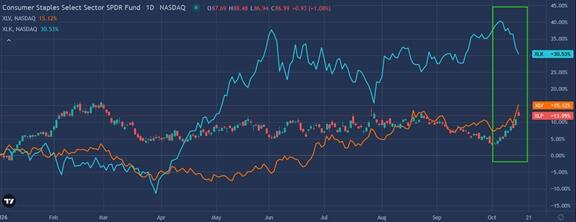
Moreover, the unwinding of short positions in the bond market, coupled with strong demand at Treasury auctions, contributed to the unexpected rally in bonds. This shift in market dynamics, along with concerns about a potential Fed policy mistake in response to inflation, led to a flattening yield curve and a decrease in long-end yields.
The bond market’s response to hot inflation data underscores a complex interplay of factors, signaling potential challenges ahead in the economic landscape.