
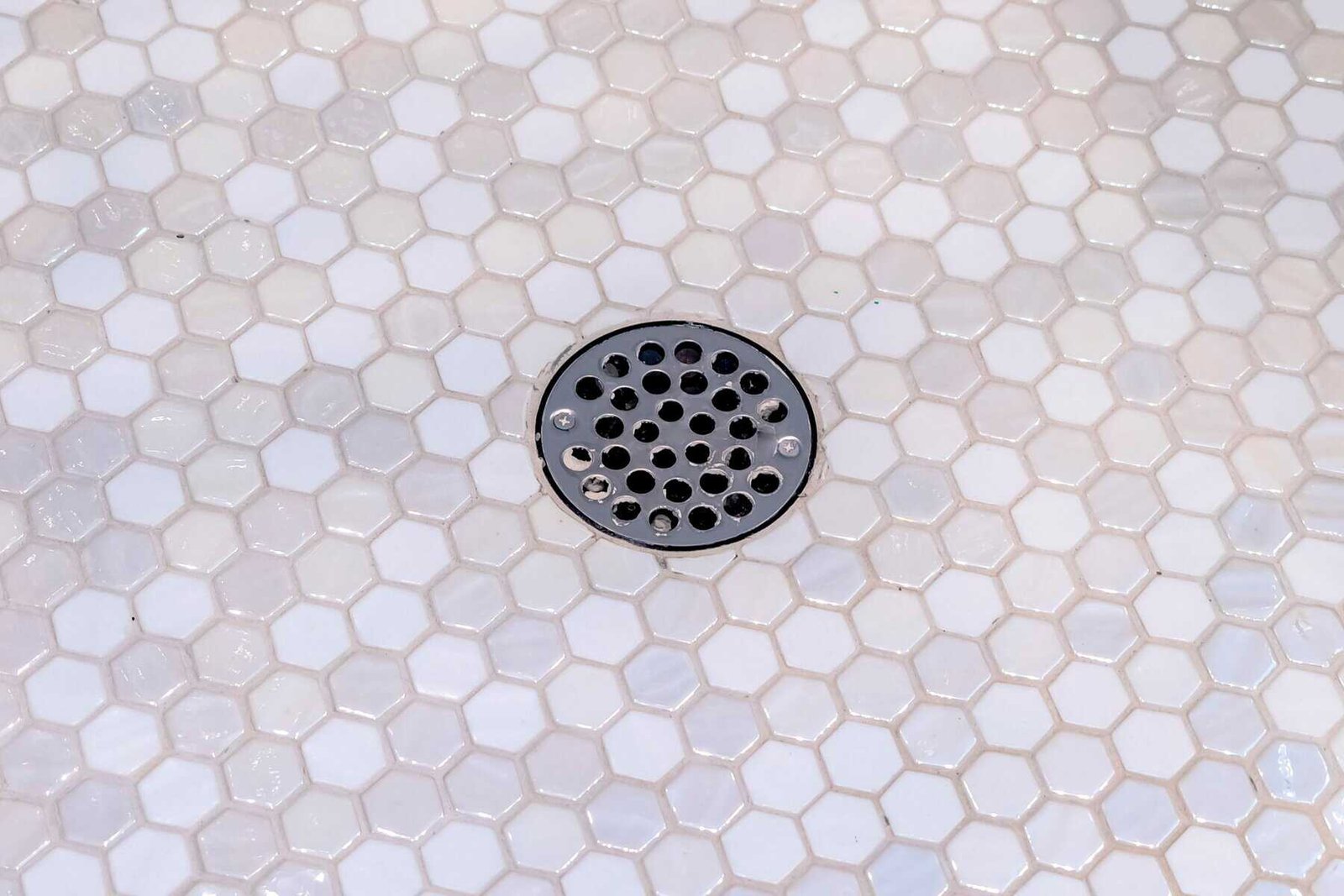
Dealing with clogged drains is a common household issue that can quickly escalate if not addressed promptly. Whether you’re a homeowner in Washington, DC, or renting in Phoenix, AZ, knowing the causes of clogged drains can save you time, money, and frustration.
This Redfin article sheds light on how plumbing issues can impact the resale potential, buyer perception, and long-term value of a home.
Identifying the Most Common Causes of Clogged Drains
Slow-draining sinks and standing water in showers are familiar problems for many homeowners. According to experts, everyday habits are often the culprits. Hair, grease, soap residue, and food debris are cited as the main causes of clogged drains.
Plumbing professionals emphasize that these issues develop gradually over time, leading to blockages. Understanding these common causes can help prevent drain problems before they escalate.
1. Hair Buildup
Hair, particularly in bathrooms, combines with soap and debris to form stubborn clumps that adhere to pipe walls.
2. Grease and Cooking Oils
Grease solidifies as it cools, coating pipes and trapping debris, leading to blockages.
3. Soap Residue (Soap Scum)
Traditional soaps leave behind a hard residue that narrows pipes over time, affecting drainage.
4. Food Waste
Certain foods like rice, pasta, and coffee grounds can expand or clump together, posing a risk to kitchen drains.
5. Mineral Buildup (Hard Water)
In regions with hard water, mineral deposits inside pipes reduce water flow and attract debris.
6. Small Objects or Foreign Items
Items like cotton swabs or hygiene products that end up in drains can cause instant clogs as they don’t break down easily.
7. Tree Root Intrusion
Tree roots can grow into pipes, especially in outdoor or older plumbing systems, causing severe blockages and pipe damage.
8. Dirt and Debris
After outdoor activities or renovations, dirt and debris can accumulate in drains, restricting water flow over time.
9. Poor Pipe Installation or Aging Pipes
Improper pipe angles or aging plumbing systems can make drains more susceptible to clogs, with corrosion and wear reducing pipe diameter.
10. Excessive Toilet Paper Use
While toilet paper is designed to break down, using excessive amounts can overwhelm plumbing systems, particularly in older homes.
Understanding the Development of Drain Clogs Over Time
Clogs form gradually due to everyday buildup like grease, hair, soap residue, and food waste, narrowing pipes over time. Early signs such as slow drainage or gurgling sounds indicate a developing issue that should be addressed promptly to prevent major repairs.
Plomero EN Phoenix’s team compares drain clogs to traffic congestion on a highway, where gradual buildup reduces the flow until blockages occur. Recognizing these signs early can help prevent costly repairs.
Common Solutions for Addressing Clogged Drains
The severity of a clog determines the solution, with minor clogs often resolved by simple fixes, while deeper blockages may require professional intervention. Advanced tools like hydro-jetting or camera inspections may be used for thorough clearing and diagnosis in severe cases.
Common solutions include plunging, drain snakes or augers, hot water with dish soap, and professional drain cleaning for recurring or stubborn issues.
Preventive Measures: A Proactive Approach to Drain Issues
Preventing clogs is more cost-effective and easier than fixing them. Regular home maintenance, such as using drain strainers and avoiding pouring grease down the sink, can prevent blockages. Simple habits like running hot water with dish soap after using the kitchen sink can help reduce grease buildup.
Key prevention habits to adopt include using drain strainers, avoiding pouring grease or oil down the drain, running hot water after each use in the kitchen, disposing of food waste in the trash, and scheduling annual plumbing maintenance.
Significance for Homeowners and Buyers
In real estate, plumbing issues can be deal-breakers for buyers, sellers, or property managers. Slow drains or persistent clogs may indicate underlying problems like pipe damage or inadequate maintenance. Understanding the causes of clogged drains can help maintain your current home and assess properties effectively.
Final Thoughts
Clogged drains are preventable with early recognition and addressing root causes like hair, grease, and buildup. Being proactive in maintenance and adopting preventive habits can save you from costly repairs in the future.
Staying ahead of drain issues is crucial, as prevention is key to avoiding major problems. By understanding the causes of clogged drains and taking preventive measures, you can maintain a smoothly running plumbing system.