
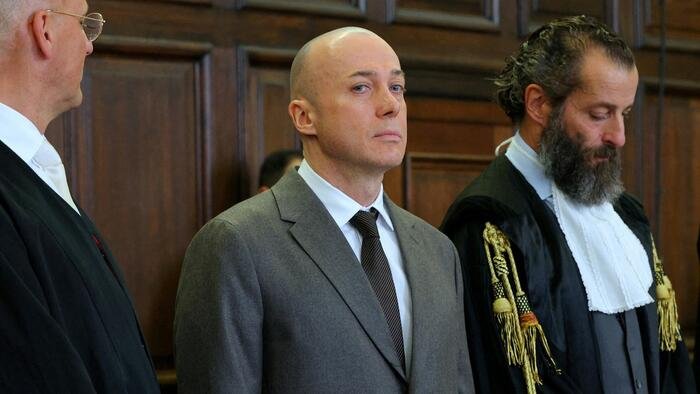
After four years, Germany has finally brought a defendant to trial for the largest act of infrastructure sabotage in postwar Europe. Serhii Kuznietsov, a 50-year-old former Ukrainian army officer, is accused of leading a team that blew up three Nord Stream lines in 2022. The trial began at the Hanseatic Higher Regional Court in Hamburg with Kuznietsov facing charges of war crimes and causing explosions.
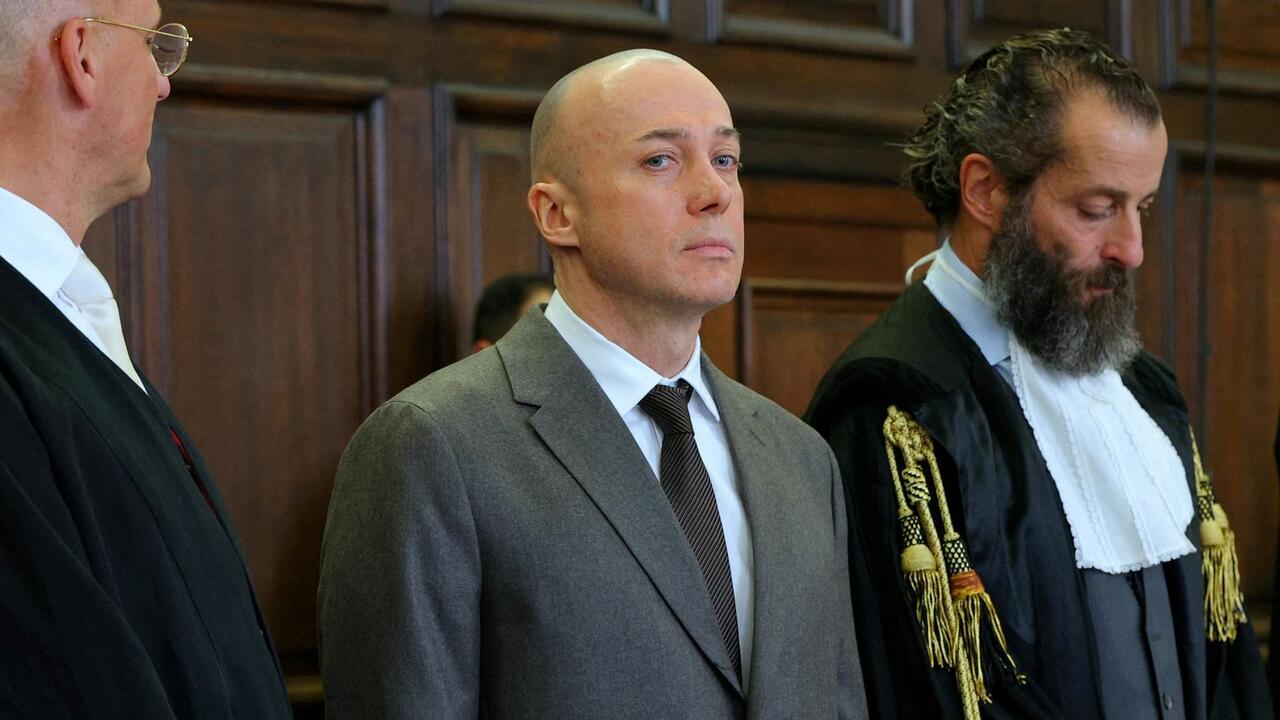
The prosecution alleges that Kuznietsov orchestrated the attack with a team of divers and explosives experts, aiming to disrupt gas flows and cut off Russia’s revenue. The indictment claims that the operation was carried out on behalf of Ukrainian state authorities, although Kyiv denies any involvement.
During the trial, Kuznietsov’s defense team argued that he should not be held responsible for war crimes, pointing to the lack of evidence linking him directly to the sabotage. The defense also raised concerns about the potential consequences of a guilty verdict, which could lead to compensation claims against frozen Russian assets earmarked for Ukraine.
The elusive second suspect
Germany’s second suspect, Volodymyr Zhuravliov, has evaded extradition multiple times, with courts in Poland and Croatia refusing to hand him over. The ongoing legal battles highlight the complexity of the case and the international implications of the sabotage.
Unanswered questions
The trial sheds light on the intricacies of the Nord Stream attack and the political implications for Germany and its allies. The court proceedings will determine the outcome of the case and potentially impact relations between European nations and Russia.