
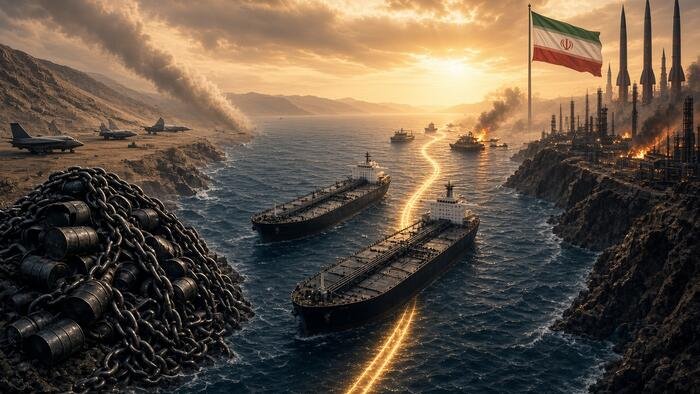
Trita Parsi’s article on the current situation between the US and Iran, originally published on Antiwar.com and reprinted with permission from Trita Parsi’s Substack, delves into the shifting dynamics of power and leverage between the two nations. The Trump administration believes it has gained the upper hand over Iran by rerouting maritime traffic and imposing economic sanctions that have significantly impacted Iran’s ability to sell oil. This has led to a new strategic calculation in Washington, with President Trump seeing an opportunity to pressure Iran into capitulation.
However, Parsi warns that if the US interprets Iran’s vulnerability as a chance to demand surrender rather than engage in diplomatic negotiations, it could lead to another round of conflict. History has shown that when the US perceives itself to have the advantage, it tends to push for capitulation rather than compromise, escalating tensions further.
The article also discusses the shift from a military-focused approach to an economic one, as the US depletes its military resources and focuses on economic pressure to force Iran’s hand. Despite the success of economic sanctions in some aspects, Tehran remains defiant and believes the US will eventually have to relent.
The ongoing cycle of pressure and escalation between the US and Iran, fueled by a lack of meaningful diplomacy, sets the stage for continued conflict. With neither side willing to engage in genuine negotiations, the risk of war looms large. Parsi’s analysis sheds light on the complex dynamics at play and the urgent need for diplomatic solutions to avoid further escalation.