
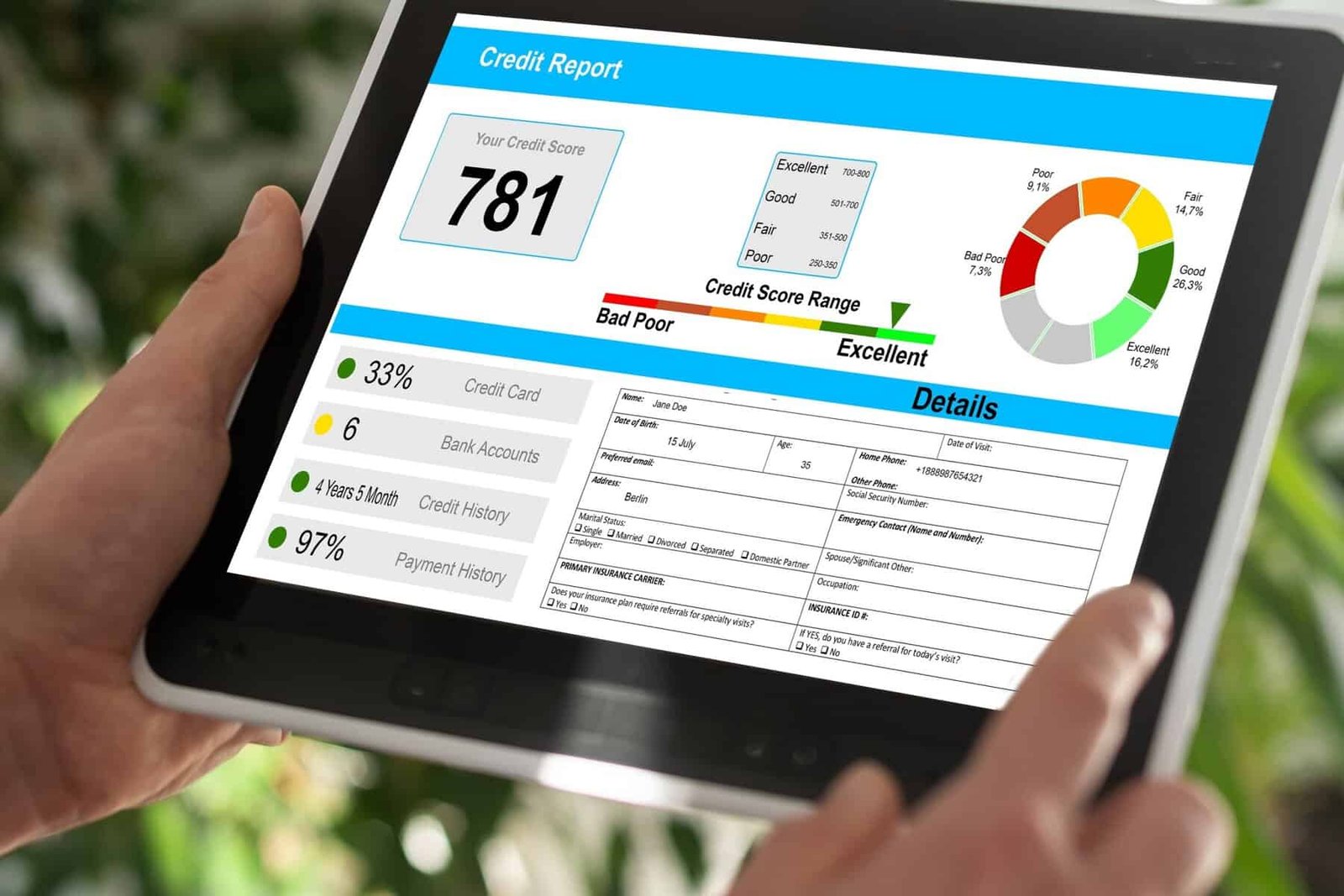
If you’re looking to purchase a home, your credit score is a crucial factor that lenders will consider. Many buyers often wonder: How long does it take to improve your credit score enough to qualify for a mortgage?
The timeline for buying a home depends on your starting point, the actions you take, and what’s on your credit report. While some buyers may see progress within a few weeks, others may need several months to strengthen their financial profile. This Redfin article delves into the timeline and offers tips on how to expedite the process.
Understanding Your Credit Score Components
Before discussing timelines, it’s essential to grasp what factors contribute to your credit score. Lenders assess how you manage debt over time, not just a numerical value.
Here’s a breakdown:
| Factor | What It Means | Why It Matters |
|---|---|---|
| Payment history | Whether you pay bills on time | The most significant factor in your score |
| Credit utilization | How much of your credit you use | Lower usage indicates less risk |
| Credit history length | How long your accounts have been open | Longer history builds trust |
| Credit mix | Types of credit accounts you have | Demonstrates ability to manage various debt types |
| New credit | Recent applications or inquiries | Excessive inquiries can lower your score |
Improving Your Credit Score Based on Your Range
The time it takes to enhance your credit score before buying a home varies depending on your initial position. A mid-600 credit score isn’t a roadblock; it can serve as a leverage point for many buyers. Those in this range can make progress within 30 to 90 days by focusing on factors that lenders consider, such as strengthening overall credit depth. On the other hand, individuals starting with lower scores may require 6-12+ months to rebuild. The difference lies in how your credit is positioned, not just day-to-day management.
This distinction is crucial. It’s not just about rectifying errors; it’s about shaping how lenders perceive your credit profile.
Is It Possible to Build Credit in 30 Days?
One of the most common queries, especially for buyers in a hurry, is whether it’s feasible to build credit in 30 days. The answer is yes, but with limitations.
- Pay down high credit card balances: Decreasing balances reduces credit utilization, leading to a quick score boost.
- Correct errors on your credit report: Disputing inaccuracies can eliminate negative marks unfairly affecting your score.
- Bring past-due accounts current: Catching up on missed payments halts further damage and demonstrates to lenders that you’re on the right path.
- Avoid new hard inquiries: Limiting new credit applications prevents temporary score decreases and maintains stability.
These actions can result in a noticeable improvement, especially for those with mid-600 credit scores. However, 30 days may not suffice to completely rebuild a damaged credit history. Real progress takes longer for individuals starting with lower scores, as lenders seek consistent behavior over time, not just quick fixes. Nonetheless, buyers with lower credit scores still have options, including loan programs designed for more flexible credit requirements like FHA loans.
Read more: The 4 C’s of Credit: What Mortgage Lenders Look For Before Approving You
Effective Strategies to Boost Your Credit Score
If your goal is to purchase a home, concentrate on tactics that significantly impact mortgage readiness and expedite credit score improvement.
- Pay all bills on time: Even a single missed payment can set you back considerably.
- Lower your credit utilization: Aim to use less than 30% of your available credit, ideally even lower.
- Avoid unnecessary account openings: Each application can temporarily lower your score.
- Keep older accounts open: Maintaining longer credit history is beneficial.
- Regularly check your credit report: Disputing errors can remove undeserved negative marks.
- Consistency is key: Sustained habits matter more than short-term efforts.
Enhancing your credit score can unlock better loan options and lower interest rates. It also provides a clearer understanding of what’s achievable when embarking on your home search, especially when paired with tools like a home affordability calculator.
Read more: Can You Get a Mortgage With No Credit History?
Tips for Rebuilding Credit Before Home Purchase
If your score requires additional work, the process may take several months, but adopting the right approach can yield significant results.
1. Develop a Realistic Payment Plan for Overdue Accounts
Begin by organizing your debts and identifying accounts that require immediate attention. Bringing overdue accounts up to date can prevent further damage and initiate the rebuilding of your payment history. A clear plan helps you stay on course and avoid feeling overwhelmed.
2. Focus on Reducing High-Interest Debt to Lower Utilization
High balances, particularly on credit cards, can swiftly impact your score. Paying down these balances not only enhances your utilization ratio but also reduces long-term interest payments. This is one of the most effective methods to witness steady progress.
3. Automate Payments to Enhance Payment History
Automating payments eliminates the risk of missing due dates and helps you maintain consistency. Even if you start with minimum payments, timely payments are paramount. Over time, this establishes a positive pattern that lenders value.
4. Avoid Major Financial Changes Before Mortgage Application
Stability is crucial when preparing for a home loan. Refrain from opening new accounts, taking on significant debts, or making abrupt financial alterations. Maintaining financial stability presents a more reliable profile to lenders.
5. Monitor Credit Progress to Stay on Track
Regularly monitoring your credit aids in understanding how your actions impact your score. Routine checks can alert you to errors or unexpected changes. It also offers a clearer indication of your proximity to achieving your homebuying objectives.
Duration to Enhance Your Credit Score
If you’re pondering how long it takes to enhance your credit score, the emphasis is often on consistency rather than speed. While some improvements may yield results in a few weeks, lenders seek patterns indicating long-term reliability.
Devoting a few extra months to fortifying your credit profile can position you favorably in terms of loan options and interest rates. Remember, your credit score is just one aspect lenders evaluate when approving a mortgage.