
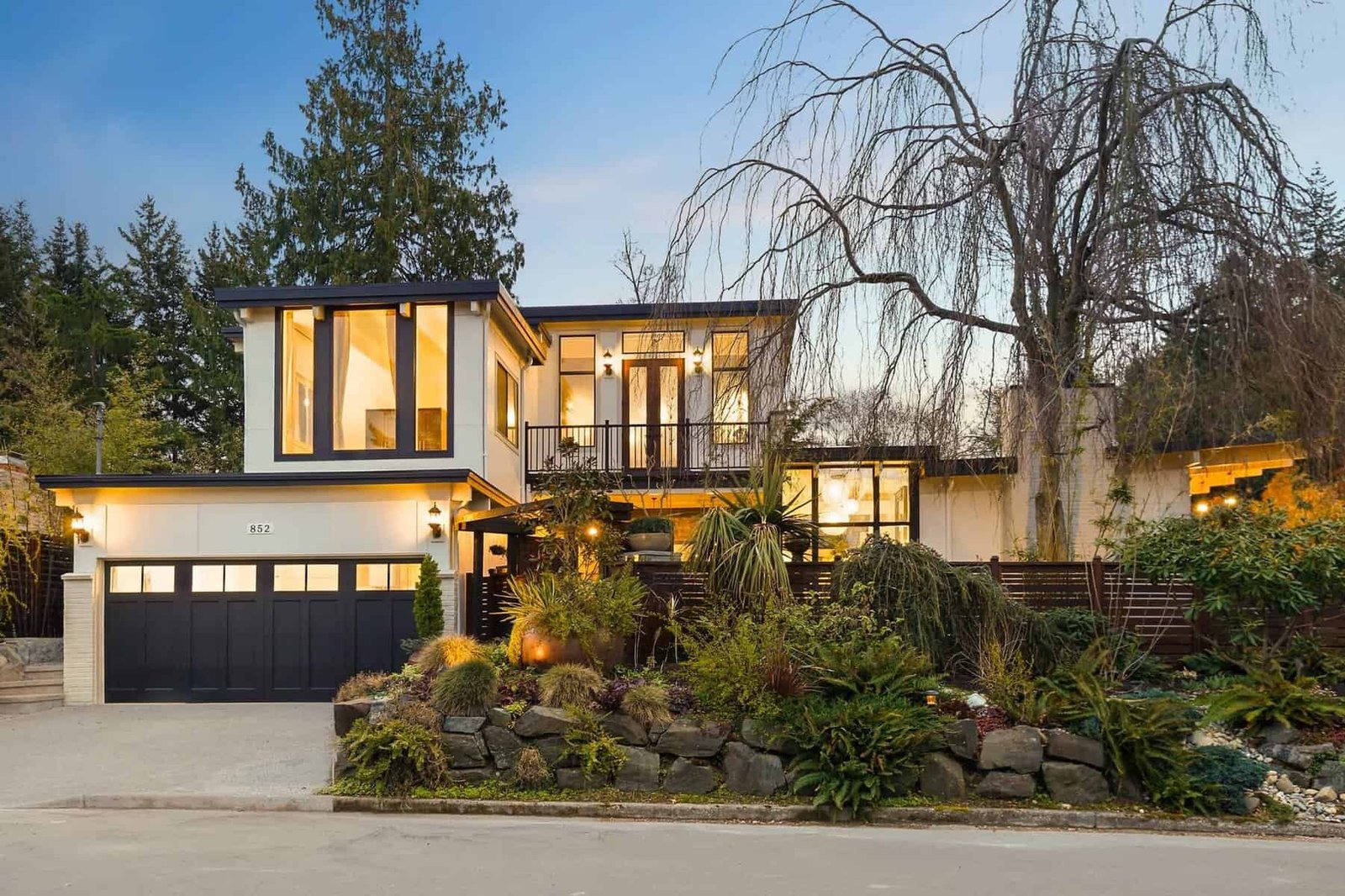
Millennials continue to play a significant role in the housing market. By 2025, their homeownership rate had reached 55.4%, with 30- to 39-year-olds accounting for 26% of home purchases in the U.S. – the largest share among all age groups according to Redfin’s analysis. For sellers, understanding what these buyers value can help determine where to focus before listing.
Whether you’re selling a condo in Denver, CO, a bungalow in Raleigh, NC, or a townhouse in Austin, TX, certain core priorities consistently stand out with millennial buyers: move-in-ready condition, functional spaces, high-quality listing visuals, and a location that aligns with their daily lifestyle.
What do millennial homebuyers seek?
Millennial homebuyers often prioritize homes that feel move-in ready and functional, with features that enhance everyday convenience. Updated kitchens and bathrooms, flexible spaces, quality listing photos, smart-home features, and access to nearby amenities can all make a home stand out.
1. Ensure your home is move-in ready
A home that exudes move-in readiness is crucial for millennial buyers. This generation looks for quality finishes and functionality, and a home that appears polished and up-to-date from the start is more likely to attract serious attention. Mitchell Bage, Creative Director of Maison de Campagne, explains the importance:
“Millennials have high expectations of how a home should look and feel, influenced by HGTV and design-focused social media. They purchase near their budget limit, leaving less for renovations or updates. A home that feels polished, current, and move-in ready holds significant value. Staging for this demographic emphasizes clean, approachable design, intentional furniture placement, updated yet timeless styling, and spaces that reflect function and lifestyle.”
Sellers should focus on visible cosmetic updates, such as:
- Fresh neutral paint
- Updated light fixtures
- Refinished hardwood floors
- Modern kitchens and bathrooms
While a full remodel isn’t necessary, outdated finishes or neglect can deter buyers early on.
2. Showcase flexible, functional living spaces
Staging for millennials goes beyond aesthetics; it’s about demonstrating function and aligning with how they live. Clay Edwards of Aspect Staging highlights a common mistake:
“Overloading the home with furniture or traditional decor can make spaces feel cramped and outdated. A flexible layout with designated work-from-home areas, ample natural light, and modern, neutral styling has a stronger impact. Millennials want functional, adaptable homes.”
Considering the rise of remote work, a functional home office space is essential. It can set your home apart from others.
3. Prioritize compelling listing photos and videos
Before scheduling a showing, millennial buyers form an opinion based on online content. The quality and order of your listing media can determine their interest. Matt Riley, Owner of First View Photography, emphasizes the impact:
“Listing photos are like online dating profiles – they need to grab attention. Proper photo sequencing is crucial. Video tours keep buyers engaged and prevent them from moving on.”
Video content is especially important as millennials engage with homes through social media. Engaging videos can create a connection with the property before a physical viewing.
4. Update key areas and consider low-maintenance materials
Millennial buyers value durability and ease of maintenance. Upgrades in kitchens and bathrooms, crucial areas, can shift a home’s perception from needing work to move-in ready. Popular material choices include:
- Quartz countertops for durability and modern appeal
- Easy-to-maintain sealed concrete or hardwood floors
- Back-painted glass or tile backsplashes for easy cleaning
- Updated cabinetry and fixtures for a well-maintained look
These choices signal practicality and livability, traits that appeal to buyers. Open floor plans also remain popular, creating a spacious feel.
5. Incorporate smart home features strategically
Smart technology is a draw for millennials, who appreciate connected devices. Integration is key, with systems that work together seamlessly. Features like:
- Smart thermostats for energy efficiency
- Video doorbells for security and convenience
- Energy-efficient appliances for cost savings
- Smart lighting or locks for ease of use
6. Highlight walkability and the neighborhood
Location is crucial for millennial buyers, with everyday convenience in the neighborhood influencing their decisions. Ryan Fitzgerald of Raleigh Realty emphasizes the importance of highlighting neighborhood amenities:
“When comparing similar homes, neighborhood convenience can sway millennial buyers. Walkable amenities, parks, and community spaces help them envision a lifestyle beyond the property. Highlight how the location aligns with their daily life.”
Including the Walk Score and mentioning nearby amenities in your listing can attract millennial buyers who research neighborhoods extensively.
In conclusion
Appealing to millennial homebuyers involves focusing on a polished, move-in ready home, functional spaces, engaging listing media, and a convenient location. Sellers who address these priorities increase their chances of standing out in a competitive market.
For sellers considering listing their homes, consulting with a local real estate agent can provide insights into market-specific updates. Exploring similar properties in your area can also offer valuable comparisons.
FAQ: Strategies to attract millennial buyers
1. How much should I invest in preparing my home for millennial buyers?
Focus on visible updates like paint, fixtures, staging, and photos rather than extensive renovations. A local agent can recommend priority improvements for your market.
2. Is it worthwhile to make updates if I’m selling as-is?
Minor updates, such as cleaning and enhancing lighting, significantly boost appeal. Well-presented homes attract more attention than those needing significant care.
3. How can I determine if my home’s location will appeal to millennial buyers?
Check the Walk Score and highlight nearby amenities in your listing. Millennial buyers thoroughly research neighborhoods along with the property.
4. Should I explain smart home features and updates during showings?
While it’s usually best to let buyers explore independently, providing a summary of updates and features can address potential questions.
5. What if my home lacks modern features preferred by millennial buyers?
Strategic staging, quality media, and accurate marketing can help buyers see the potential in a non-turnkey home. Pricing appropriately is key, as buyers factor renovation costs into their offers.