
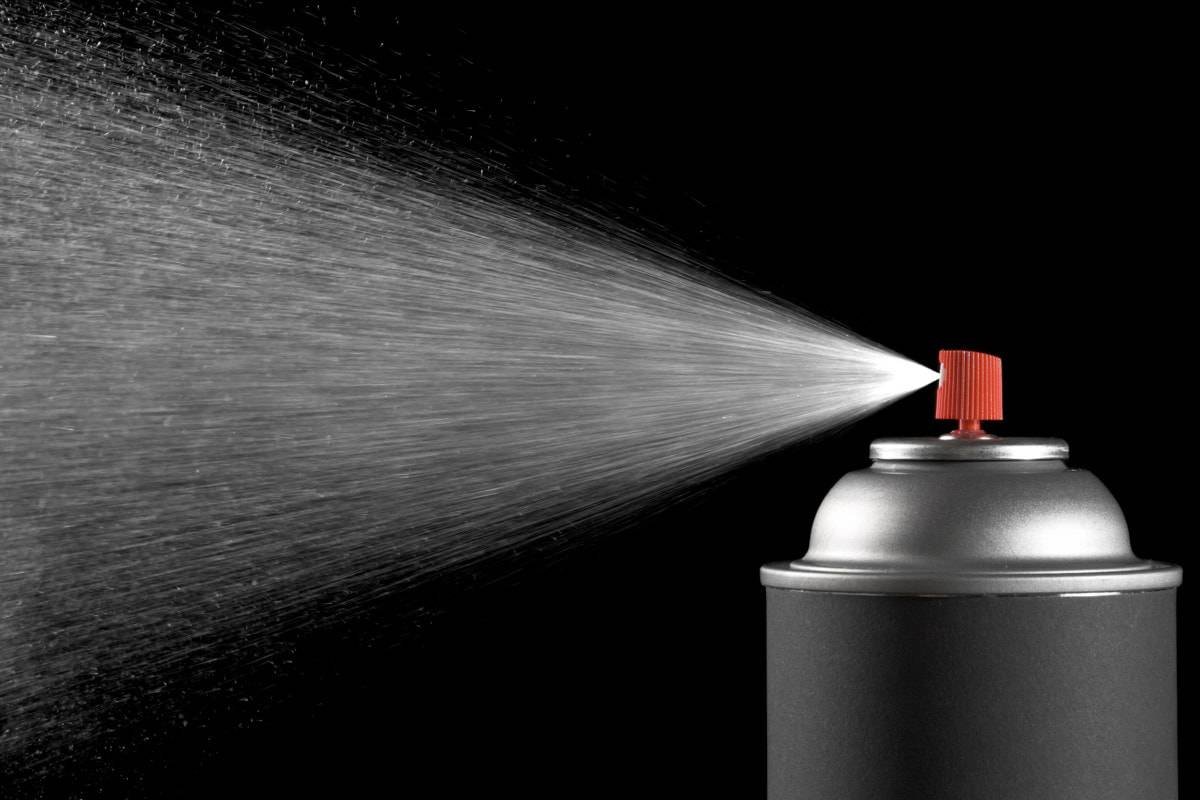
Did you know that people spend approximately 90% of their time indoors? While outdoor air pollution often grabs headlines, indoor air pollution is equally critical and can be challenging to avoid. Smoke, mold, vapors, and other pollutants can significantly impact indoor air quality, leading to various health issues.
Whether you reside in a house in Boston or an apartment in Round Rock, TX, understanding indoor air pollution is crucial. Read on to discover more about its causes, effects, and how you can enhance the air quality in your home.
Understanding Indoor Air Pollution
Indoor air pollution refers to harmful air particles from both indoor and outdoor sources. These pollutants, such as chemicals, bacteria, and viruses, are often present in everyday products, making them hard to avoid. Additionally, outdoor pollutants can seep into indoor spaces, impacting the air quality. While energy-efficient homes offer some protection, there is no foolproof solution to indoor air pollution.
Exposure to indoor air pollution can result in mild to severe health effects, ranging from immediate symptoms like headaches and runny noses to long-term consequences after prolonged exposure.
Causes of Indoor Air Pollution
Indoor air pollution originates from both biological and chemical sources. Biological sources include mold, bacteria, viruses, and dust mites, while chemical sources encompass carbon monoxide, asbestos, and volatile organic compounds (VOCs).
Hidden mold growth is a common but overlooked source of indoor air pollution. Mold behind walls or under flooring can impact air quality, with some molds producing mycotoxins that are invisible yet detrimental.
Other Factors to Consider
Various factors influence indoor air pollution levels, including proximity to industrial areas, economic status, home insulation, and weather conditions. Understanding these factors can help mitigate the impact of pollutants on indoor air quality.
The Impact of VOCs
Volatile organic compounds (VOCs) are chemicals found in everyday products that release harmful gases, leading to various health issues. Identifying common VOCs and minimizing exposure through proper ventilation and product selection is essential for improving indoor air quality.
Effects of Indoor Air Pollution
Poor indoor air quality can result in a range of health issues, from respiratory problems to chronic conditions like cancer and heart disease. Identifying common indoor air pollutants and their effects is crucial for maintaining a healthy living environment.
Improving Indoor Air Quality
Enhancing indoor air quality involves various steps, including switching to electric appliances, upgrading building materials, installing air purifiers, and maintaining proper ventilation. By adopting these practices, you can create a healthier indoor environment for you and your family.
Final Thoughts
Indoor air pollution is a significant concern with far-reaching health implications. By taking proactive steps to reduce pollutants and improve air quality, you can create a safer and healthier home environment. Remember to prioritize your health and well-being by making informed choices about indoor air quality.
Disclaimer: This article does not provide medical advice. Consult a healthcare professional for any health-related concerns.