
Close Menu
  • Home
  • Economic News
  • Stock Market
  • Real Estate
  • Crypto
  • Investment
  • Personal Finance
  • Retirement
  • Banking

Subscribe to Updates

Get the latest creative news from FooBar about art, design and business.

What's Hot

Firedancer Launches Bug Bounty Program Offering 2x Rewards

October 23, 2026

Can LG CNS Partnership Push LINK Higher?

October 23, 2026

AmEx Adds Airbnb Perks, Tightens Platinum Hotel Credit Rules

October 23, 2026
Facebook X (Twitter) Instagram
  • Contact Us
  • Privacy Policy
  • Terms Of Service
Thursday, October 29
Doorpickers
Facebook X (Twitter) Instagram
  • Home
  • Economic News
  • Stock Market
  • Real Estate
  • Crypto
  • Investment
  • Personal Finance
  • Retirement
  • Banking
Doorpickers
Home»Economic News»Interpreting Russia’s Position Towards The Islamic NATO
Economic News

Interpreting Russia’s Position Towards The Islamic NATO

October 9, 2026No Comments2 Mins Read
Facebook Twitter Pinterest LinkedIn Tumblr Email
Share
Facebook Twitter LinkedIn Pinterest Email

Authored by Andrew Korybko via Substack,

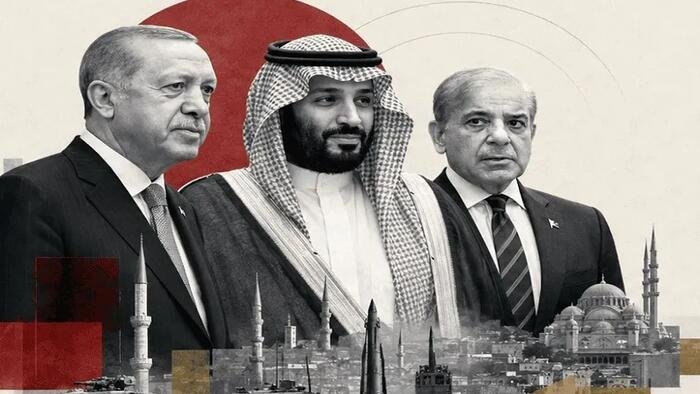
Although Russia officially supports the Islamic NATO and envisions Iran as part of it to enhance regional collective security, there is an awareness of the potential threat posed by this bloc due to Turkiye’s rivalry with Russia.

Russian Foreign Minister Sergey Lavrov stated in early September Russia’s stance on the Islamic NATO and its role in stabilizing West Asia. He referenced Russia’s longstanding Gulf collective security vision and emphasized its urgency following recent conflicts. Lavrov mentioned the Mecca Joint Defense Agreement, highlighting the potential inclusion of Iran in the process.

Lavrov’s statement reflects Russia’s willingness to support coordinated efforts by concerned countries, signaling a positive stance towards the Islamic NATO, especially regarding Iran’s participation. However, given the historical ties of the bloc’s founding states to NATO, concerns arise about the bloc’s potential challenge to Russia, particularly through Turkiye’s actions.

Recent analysis suggests that the Islamic NATO poses challenges to Russia, as Turkiye aims to expand NATO influence in Central Asia, Pakistan facilitates arms flow into Afghanistan, and Saudi Arabia may support these endeavors. Despite potential benefits, Turkiye’s strategic moves independently challenge Russia, prompting a nuanced assessment of the bloc’s implications.

While Russian officials may not openly acknowledge the threat posed by the Islamic NATO, they are likely cognizant of Turkiye’s geopolitical ambitions and potential implications for Russia’s interests. Maintaining diplomatic relations, Russia aims to balance cooperation and vigilance towards the bloc, with internal discussions reflecting a more critical perspective.

Interpreting Islamic Nato position Russias
Share. Facebook Twitter Pinterest LinkedIn Tumblr Email

Related Posts

“High Likelihood Of Error”: Judge Halts DHS Voter-Fraud Door-Knocks In Nine States

October 23, 2026

US To Release Heating Oil Reserve In Northeast To Lower Prices

October 22, 2026

The Turd-Eaters: France Gives Us A Lesson On The Pillager Class

October 22, 2026
Add A Comment
Leave A Reply Cancel Reply

Top Posts

Worse Off Now? Real Wages Have Declined Since Nov. 2020

November 7, 202410 Views

Mortgage Rates Today, Tuesday, February 17: How Low Could We Go?

February 17, 202611 Views

First Look: United Polaris Business Class to Get an Upgrade

May 13, 202515 Views
Stay In Touch
  • Facebook
  • YouTube
  • TikTok
  • WhatsApp
  • Twitter
  • Instagram
Latest
Crypto

Firedancer Launches Bug Bounty Program Offering 2x Rewards

October 23, 20260
Crypto

Can LG CNS Partnership Push LINK Higher?

October 23, 20260
Personal Finance

AmEx Adds Airbnb Perks, Tightens Platinum Hotel Credit Rules

October 23, 20260
Facebook X (Twitter) Instagram Pinterest
  • Contact Us
  • Privacy Policy
  • Terms Of Service
© 2026 doorpickers.com - All rights reserved

Type above and press Enter to search. Press Esc to cancel.