
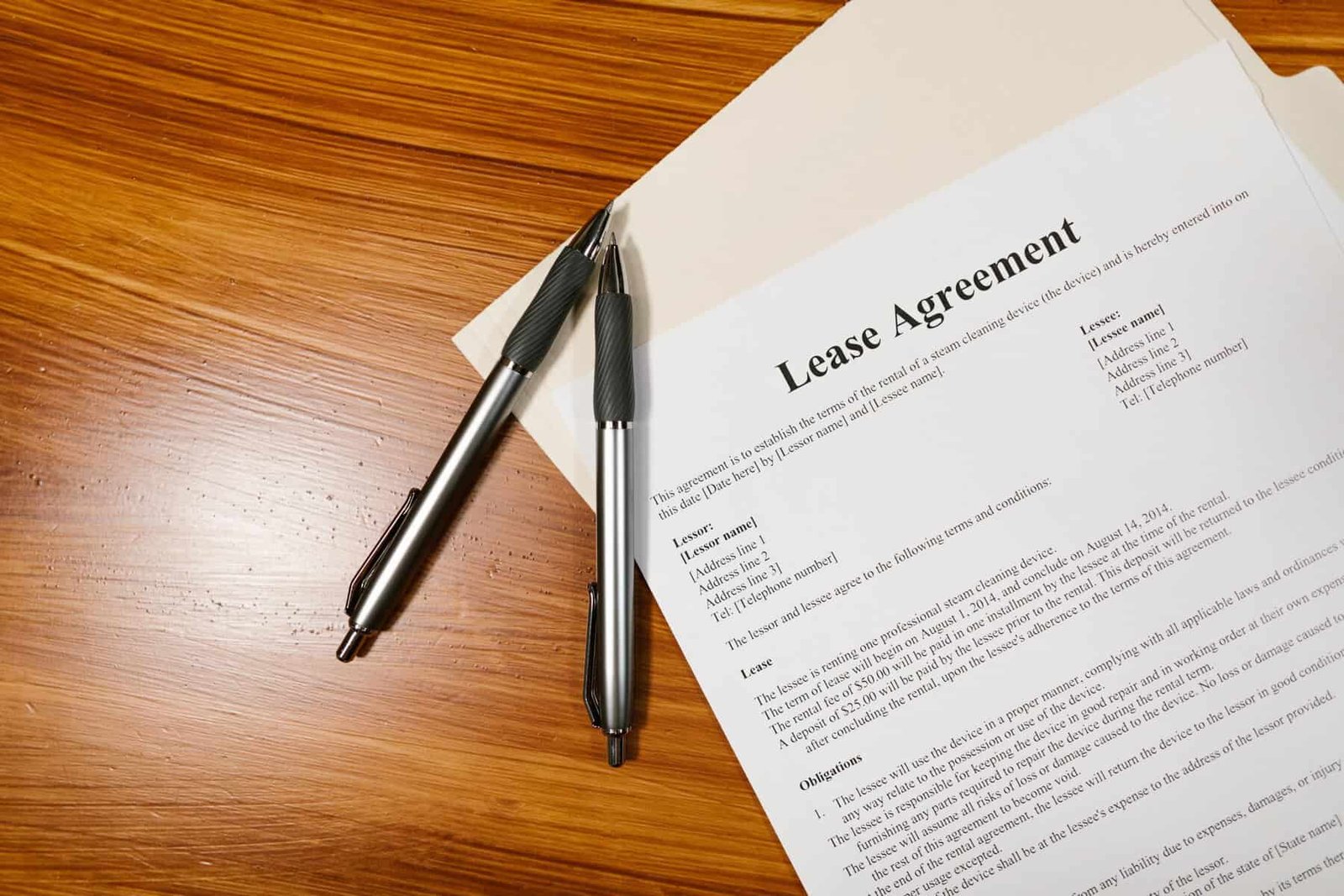
Discovering what appears to be the perfect rental opportunity – spacious rooms, abundant natural light, and a surprisingly low price – only to realize later that it’s a financial trap or a scam can be disheartening. Renting a new home should be an exciting fresh start, but failing to carefully review the lease agreement can turn a dream apartment into a costly nightmare.
Whether you’re considering a high-rise apartment in Austin, TX, or exploring cozy homes in Tampa, FL, being able to identify lease red flags early on can save you from unnecessary expenses, frustration, and last-minute housing dilemmas. While rental markets vary, being able to spot suspicious listings, predatory clauses, and warning signs from landlords can ensure a smooth and secure moving experience.
1. The listing seems too good to be true
In a competitive housing market, stumbling upon an incredible deal can feel like a stroke of luck. However, an exceptionally low price could be a sign of a scam. Scammers often replicate legitimate properties and post them on various platforms to entice unsuspecting renters.
“Renter should be cautious of fraudulent listings. A common scam involves using photos from legitimate sites to create duplicate listings at very affordable prices,” warns Paul Rowan, broker/owner of The Key to Rentals.
To protect yourself, stick to reputable rental listing sites and be wary of unusually low rental amounts or landlords who can’t show you the property in person. Pay attention to the landlord’s communication style, as scammers may use emotional language to gain trust and rush renters into decisions.
2. Ambiguous fees and hidden costs
Unexpected monthly charges are a common surprise for renters. A lease should clearly outline all expenses, from security deposits to utility responsibilities.
Before signing, meticulously review all fees, deposits, maintenance terms, late-payment penalties, and any vague clauses that could lead to unforeseen costs. Seek written clarification for any unclear terms, such as repair responsibilities or utility payments, to avoid financial surprises.
3. Property condition and move-in readiness
While minor touch-ups are normal during a rental tour, major repairs promised after move-in should raise concerns. Signing an “as-is” clause means accepting the property’s current state legally, regardless of verbal assurances given during the walkthrough.
- Never rely on verbal promises: Ensure all commitments for repairs or upgrades are documented in the lease agreement.
- Inspect thoroughly: Test utilities and document any existing damage before signing.
- Beware of unfinished work: Accepting a property with pending repairs can leave you at a disadvantage if they’re never completed.
4. Lengthy or sloppy lease agreements
Lease lengths vary, but excessively long or poorly formatted documents should raise alarms. A standard lease typically ranges from 2 to 10 pages, and any deviations from this norm could indicate an overly demanding landlord.
Avoid signing altered contracts with handwritten changes or overly restrictive rules. A professionally drafted, clear contract tailored to the transaction is essential for a legitimate rental agreement.
5. Unlicensed property managers or evasive landlords
Before finalizing a contract, verify the credentials of the property manager or landlord. Transparency is key in any financial agreement.
Property managers should hold a valid real estate broker’s license in many states. Refusal to provide licensing details or conducting transactions solely online without in-person interactions are red flags that warrant caution.
Pre-signing checklist
Before committing to a rental, follow these steps to protect yourself from potential pitfalls:
- Verify the listing: Confirm the property’s presence on reputable platforms.
- Research the owner/manager: Check their credentials on state licensing websites.
- Review all clauses: Understand all terms related to fees, repairs, deposits, and move-out notices.
- Document property condition: Take detailed photos and videos during the pre-move-in inspection.
- Get everything in writing: Ensure all agreements, promises, and terms are documented in the lease.
Safeguard your rental experience
Spotting potential lease red flags before signing empowers you in your rental search, safeguarding your finances and peace of mind. Taking the time to scrutinize clauses, verify credentials, and obtain written assurances ensures a positive rental experience.
Looking for a trustworthy rental? Explore verified listings on Redfin today or seek guidance from local experts to navigate your search.