

Close Menu
  • Home
  • Economic News
  • Stock Market
  • Real Estate
  • Crypto
  • Investment
  • Personal Finance
  • Retirement
  • Banking

Subscribe to Updates

Get the latest creative news from FooBar about art, design and business.

What's Hot

Mortgage Rates Today, Friday, August 21: A Bit Higher

August 21, 2026

Pink-Clad Feminist Mob Rallies In Support Of Confessed Child Murderer

August 21, 2026

Virtual Tours for Home Sellers: Help Your Home Sell Fast

August 21, 2026
Facebook X (Twitter) Instagram
  • Contact Us
  • Privacy Policy
  • Terms Of Service
Friday, August 21
Doorpickers
Facebook X (Twitter) Instagram
  • Home
  • Economic News
  • Stock Market
  • Real Estate
  • Crypto
  • Investment
  • Personal Finance
  • Retirement
  • Banking
Doorpickers
Home»Personal Finance»Mortgage Rates Today, Friday, August 21: A Bit Higher
Personal Finance

Mortgage Rates Today, Friday, August 21: A Bit Higher

August 21, 2026No Comments7 Mins Read
Facebook Twitter Pinterest LinkedIn Tumblr Email
Share
Facebook Twitter LinkedIn Pinterest Email

Mortgage rates are higher this morning as markets have fully shrugged off Wednesday’s surprise Treasury announcement. The move was certainly intended to bring down longer-term bond yields — and borrowing costs, like mortgage rates — but it’s not enough to overcome the larger forces at work. The Iran war, Fed anxiety, even (but also, of course) the rise of A.I. all play into what’s been happening with the bond market.

The average interest rate on a 30-year, fixed-rate mortgage rose to 6.55% APR, according to rates provided to BW by Zillow. This is four basis points higher than yesterday and two basis points higher than a week ago. (See our chart below for more specifics.) A basis point is one one-hundredth of a percentage point.

For more — a LOT more — on why the Treasury’s big move isn’t likely to be a game changer, keep reading below the chart.

P.S.: While the economy never sleeps, markets are closed on the weekends. The rates you see Friday are unlikely to change much (if at all) until Monday.

Average mortgage rates, last 30 days

🤓 Kate on Rates: August 20, 2026
Video thumbnail

📈 What influences mortgage rates?

Mortgage rates are constantly changing, since a major part of how rates are set depends on reactions to new inflation reports, job numbers, Fed meetings, global news … you name it. For example, even tiny changes in the bond market can shift mortgage pricing.

On Wednesday, the Department of the Treasury announced it would at least double the scale of its buybacks for longer-term bonds, from $2 billion to $4 billion. The idea is to try to lower bond yields by increasing demand, which theoretically should lower prices.

Quick explainer for how bonds work. A bond investor is essentially lending money to the bond’s issuer. In exchange, the issuer gives the investor regular interest payouts, and the investor gets their principal back when the bond reaches maturity. The interest is more commonly referred to as the bond’s yield.

But that’s assuming the investor buys the bond from the issuer and retains the bond for its entire lifespan. In reality, most of the action in the bond market is bonds being resold. That means investors are buying them at today’s price, not at their issued price.

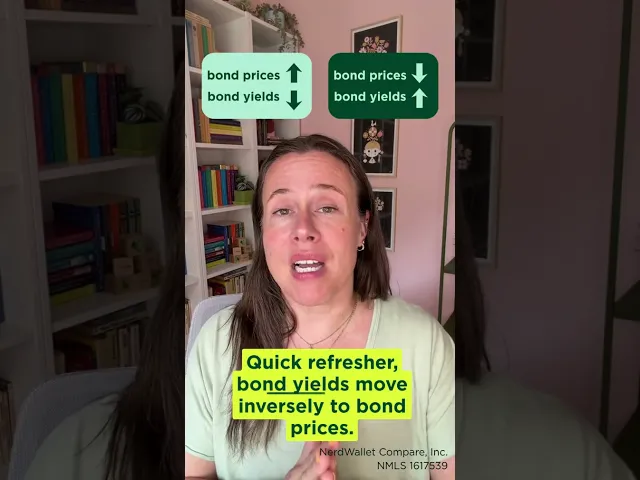
Regardless of what price the investor’s paying, the interest payout from the issuer remains the same. So if you’re paying more than the face value, your interest aka the yield is going to be lower relative to the price you paid. If you pay less than the bond cost when it was issued, your yield will be higher. That’s been happening an awful lot lately as the yields on longer-term Treasury bonds, like the 10-, 20- and 30-year, have been riding high.

Here’s where it all ties back to mortgage rates: Lenders benchmark 30-year mortgage rates against the yield on the 10-year Treasury note. When Treasury yields rise, mortgage rates rise, too. The yield on the 10-year T-note has been going up for months, and mortgage interest rates have been right there with it.

This is the supply-and-demand dynamic the Treasury’s trying to influence with the increased buybacks. If there’s more demand for these longer-term bonds, sellers should be able to ask for higher prices — and when those bonds sell at higher prices, they’ll have lower yields.

Apparently, $4 billion doesn’t go as far as it used to, because the market quickly shrugged off the Treasury announcement. But that’s not the whole story.

The Treasury’s move adds a big buyer to the mix, but it doesn’t disrupt the larger forces that have been driving up yields for months. There’s a lot, including shifting foreign investments, A.I. companies’ endless need for cash and the Iran war.

One key element, which we talk about a lot, is the Federal Reserve. The Fed doesn’t set mortgage rates, but its actions have significant consequences for the entire economy, including the bond market and borrowing costs.

The Fed began a new era last spring as Chair Kevin Warsh entered the chat. Not literally, though, because Warsh made clear from his first meeting onward that he believes Federal Reserve officials should be a lot quieter about their opinions. He slashed the size of the Fed’s post-meeting statements and removed forward guidance, which is a fancy way of saying he axed anything predictive about the Fed’s next moves.

Warsh’s reticence has actually been a big factor in bond yields’ run-up, though we need to rewind a little further to see why. The Iran war (which began in earnest in March; Warsh didn’t take over at the Fed until May) quickly stoked inflation fears. Inflation makes bonds a lot less desirable, because that fixed interest doesn’t go as far if the dollar itself is worth less. So inflation anxiety has had investors selling off bonds, bringing us lower prices and higher yields. (And again, higher yields = higher mortgage rates.)

When Warsh does choose to speak, he has a lot of tough talk for inflation. But Warsh’s Fed hasn’t taken action on inflation — and without forward guidance, no one really knows if or when it will. Generally, the Federal Reserve raises the federal funds rate (that’s the short-term borrowing rate the central bankers actually control) to try to slow inflation.

Markets are increasingly unsure whether the Fed will hike rates this year.

As long as potential bond investors believe that the Federal Reserve may allow inflation to rise unchecked, it is likely that we will continue to see an increase in bond yields and, consequently, higher mortgage rates.

Next week, the July Personal Consumption Expenditures Price Index will be released, which is the Fed’s preferred measure of inflation. Forecasters are currently predicting that the PCE will show a slight slowdown in inflation. However, if the PCE data surprises in either direction, it could affect market expectations regarding the Fed.

If your current mortgage rate is at least 0.5 to 0.75 of a percentage point lower than today’s rates, refinancing may be a smart move, especially if you plan to stay in your home long enough to recoup the closing costs. With rates currently where they are, considering a refinance may be beneficial if your current rate is around 7.05% or higher.

When deciding whether to refinance, consider your goals – whether you want to lower your monthly payment, shorten your loan term, or access home equity. It may be more cost-effective to opt for a cash-out refinance over a rate-and-term refinance if the overall costs are lower than keeping your original mortgage and adding a HELOC or home equity loan.

If you are looking for a lower rate, use BW’s refinance calculator to estimate potential savings and determine how long it would take to break even on refinancing costs.

There is no perfect time to start shopping for a home, but what matters most is whether you can comfortably afford a mortgage at today’s rates. Focus on getting preapproved, comparing lender offers, and figuring out a monthly payment that fits your budget.

If you have a mortgage rate quote that you are satisfied with, consider locking in your rate, especially if your lender offers a float-down option. Rate locks protect you from rate increases during the loan processing period, providing peace of mind in a fluctuating market.

Keep in mind that advertised rates are usually sample rates for borrowers with excellent credit, substantial down payments, and who are willing to pay for mortgage points. Your individual quote may vary based on your financial situation. text using different words:

The book was so interesting that I couldn’t put it down.

August Bit Friday Higher Mortgage Rates today
Share. Facebook Twitter Pinterest LinkedIn Tumblr Email

Related Posts

Feeling Secure vs. Being Secure: 3 Gut Checks for Your Finances

August 21, 2026

Mortgage Rates Are Lower This Week. Could They Drop Further?

August 20, 2026

Does Scouting a Lower Gas Price Matter Much? Plus, More August Money Questions

August 20, 2026
Add A Comment
Leave A Reply Cancel Reply

Top Posts

What is an ETF? Learn the basics about exchange-traded funds

July 23, 202417 Views

Mississippi homes take longer to sell than U.S. average

October 4, 20258 Views

If the CFPB Can’t Help You, Here’s How You Can Help Yourself

March 17, 20256 Views
Stay In Touch
  • Facebook
  • YouTube
  • TikTok
  • WhatsApp
  • Twitter
  • Instagram
Latest
Personal Finance

Mortgage Rates Today, Friday, August 21: A Bit Higher

August 21, 20260
Economic News

Pink-Clad Feminist Mob Rallies In Support Of Confessed Child Murderer

August 21, 20260
Real Estate

Virtual Tours for Home Sellers: Help Your Home Sell Fast

August 21, 20260
Facebook X (Twitter) Instagram Pinterest
  • Contact Us
  • Privacy Policy
  • Terms Of Service
© 2026 doorpickers.com - All rights reserved

Type above and press Enter to search. Press Esc to cancel.