
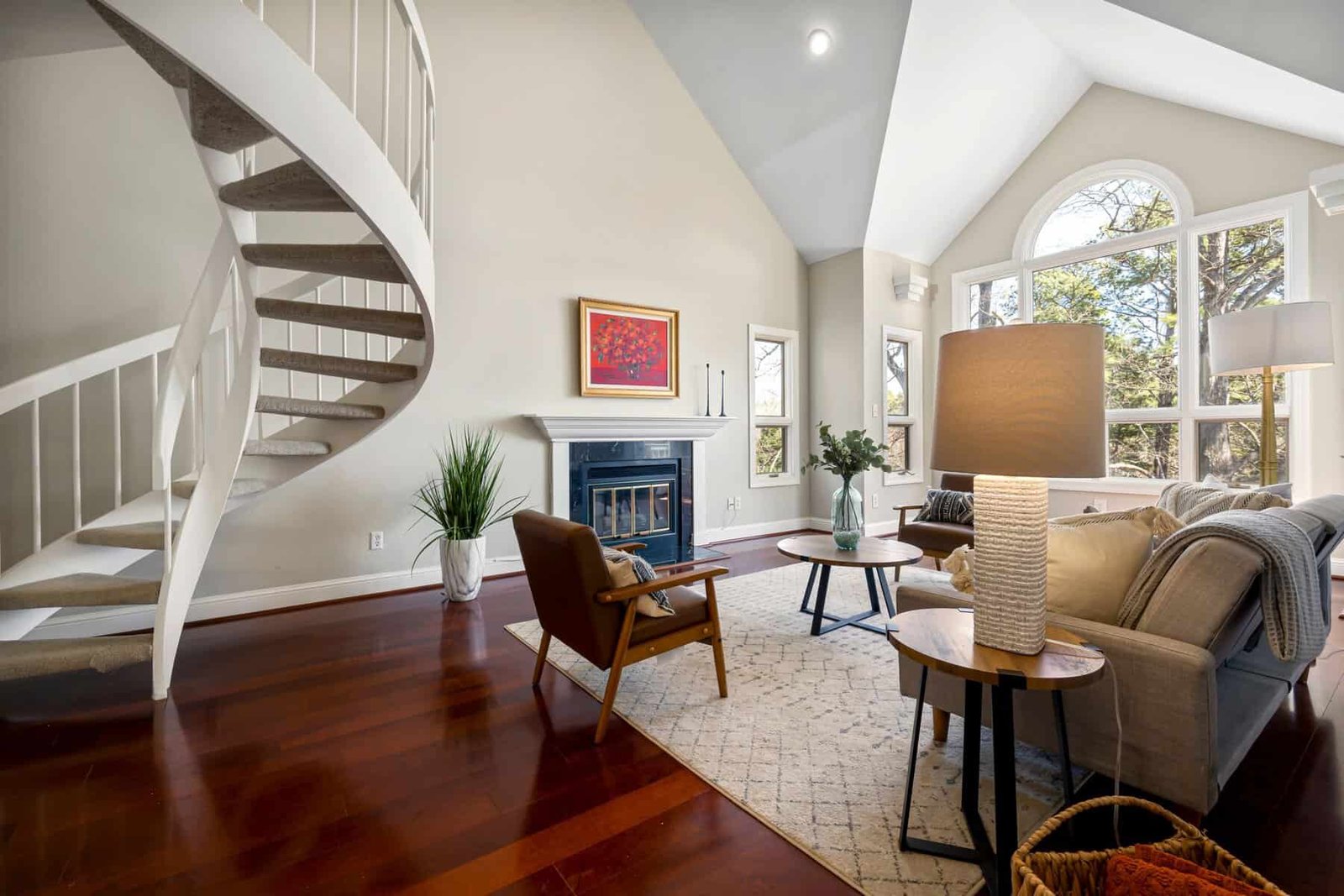
Occupied home staging involves preparing a home for sale while utilizing the seller’s existing furniture and belongings. A stager may rearrange, remove, or add pieces based on furniture needs, rooms staged, and property access, with costs varying accordingly.
Home staging goes beyond simple decor changes before listing photos. It may involve rearranging furniture, simplifying decor, or adding pieces as needed, rather than starting from scratch with an empty property.
The process of occupied home staging is influenced by factors like existing furniture, room size, number of spaces staged, property access, and location, all of which impact the staging plan and associated costs.
Whether it’s a home in Phoenix, AZ or a townhouse in Seattle, WA, sellers can expect a tailored approach to staging their occupied homes.
1. Evaluating Existing Furniture
A crucial aspect of occupied home staging is assessing the current furniture in the home. The stager determines what can stay, what can be relocated to other rooms, and what needs to be removed or supplemented. This evaluation helps in creating a cohesive space without starting from scratch.
According to Louay Nouneh, Co-Founder of MES Décors Inc., staging a larger occupied home may sometimes cost less than furnishing a smaller vacant property entirely.
While a vacant home requires furnishing from scratch, an occupied home allows the stager to work with the seller’s existing furniture, rearranging and adding select items as needed.
The incorporation of existing furniture significantly impacts the final price, regardless of the home’s size.
2. Adding or Removing Furniture
Once the stager assesses the available furniture, they decide what each room requires. This may involve maintaining the current setup, removing pieces for more space, rearranging furniture between rooms, or bringing in additional items.
Megan Morris, owner of MHM Professional Staging, emphasizes the importance of understanding the specific furniture needs of each room to create a cohesive and inviting space.
Room size and layout play a significant role in determining the furniture requirements. Larger or open-concept rooms may need additional furniture to define different areas, while smaller spaces may benefit from decluttering.
Occupied homes with similar square footage can have different staging plans and costs based on the furniture needs and room layouts. If the seller is living in the home during staging, the stager may provide tips on organizing everyday belongings while the property is on the market.
3. Prioritizing Rooms
Occupied home staging may focus on enhancing specific rooms that have the most impact on buyers, rather than staging every space. The stager may primarily work with the seller’s existing furniture and add accessories or pieces where necessary.
Nouneh suggests tailoring the staging approach based on the property’s target buyer, price point, and local housing market. Understanding which rooms to prioritize and the inclusions in the staging plan helps sellers compare proposals effectively.
4. Property Access Considerations
Access to the property plays a crucial role in shaping the staging plan. Factors like stairs, elevators, and loading areas can impact the time and effort required for staging.
According to Morris, navigating stairs and elevators can significantly extend the staging timeline. Multi-story homes may involve carrying furniture up multiple flights of stairs, while condos and apartments present additional challenges like elevator reservations and limited delivery windows.
Considering access challenges is essential to avoid unexpected labor or delivery charges that may arise due to property logistics.
>> Explore: 17 Tips on How to Stage a House Inexpensively

5. Incorporating Existing Decor
Matching new furniture with existing decor can pose a challenge in occupied home staging. Factors like window treatments, built-ins, or unique architectural features influence the selection of furniture and accessories by the stager.
According to Morris, considerations like matching furniture to existing drapes can require extra time and attention. The existing design elements of the home may dictate the sourcing of furniture, impacting the overall staging process.
Occupied home staging varies based on the existing decor, with some homes requiring minimal changes while others need significant updates to enhance the overall presentation.
6. Location and Logistics
The location of the property can influence the staging estimate, especially when transportation of furniture is involved.
Morris highlights that difficult-to-access properties or those far from the staging warehouse can impact the staging process. Understanding travel, delivery, and pickup policies of the staging company is essential to avoid additional fees related to transportation.
What’s Included in Occupied Home Staging?
Occupied home staging encompasses more than just furniture rearrangement. The services may include evaluating existing furniture, suggesting removal of items, rearranging rooms, adding additional furniture or decor, and preparing key spaces for listing photos and showings.
Nouneh emphasizes the importance of strategic staging choices that help buyers visualize the space, connect emotionally with the home, and recognize its potential, rather than just filling rooms with furniture.
As services vary, comparing different occupied home staging proposals based on the scope of work provided can help sellers make informed decisions tailored to their property.
Questions to Ask Before Hiring a Stager
Before selecting a stager, inquire about the inclusions in the service, the utilization of existing furniture, recommendations for additions or removals, and whether rental, delivery, and pickup services are part of the package.
Understanding the recommended room priorities, duration of rented furniture placement, and comparing the full scope of each proposal can assist sellers in choosing the most suitable staging approach for their property.