
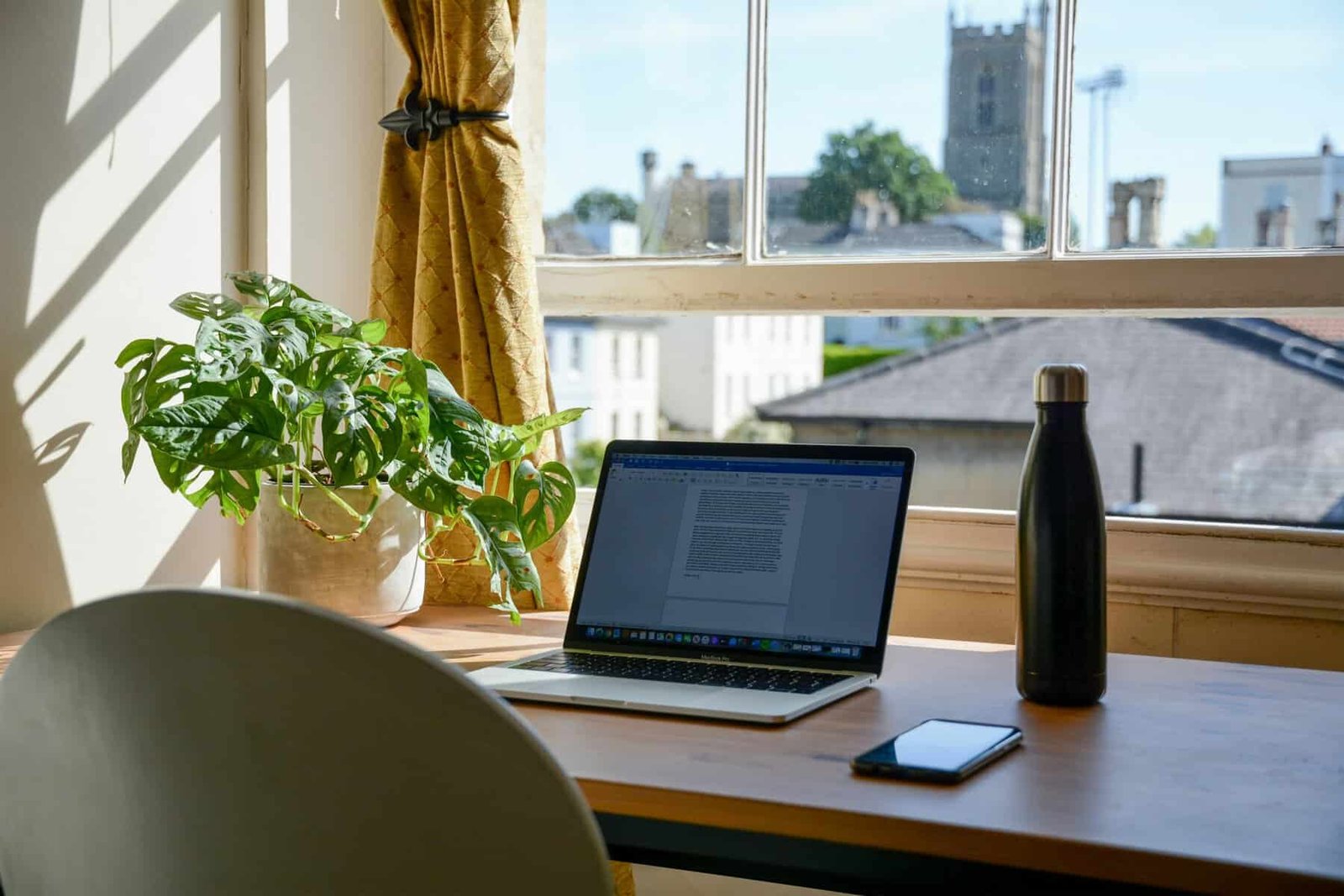
The landscape of remote work has not only changed where people work but also where they choose to live. While remote work has become less common than in previous years, its impact is still felt. Today’s homebuyers are now able to work from anywhere, turning location from a limitation into a strategic decision. Instead of being tied to job centers, many buyers are now comparing cities directly, such as homes in Austin, TX versus homes in Denver, CO, considering lifestyle, cost of living, and long-term affordability before making a move.
Tools like a home affordability calculator make it easier for buyers to turn their flexibility into a plan, helping them understand what they can realistically afford in different markets.
Here is how remote work and relocation are impacting real homebuying decisions.
Rethinking location: From job proximity to lifestyle fit
Traditionally, homebuying decisions were driven by one main question: How long is the commute? While commute times are still important, the rise of remote work and hybrid schedules has shifted the importance of this question. For those who work remotely or have a hybrid work arrangement, the need to be close to a physical office is no longer a top priority, opening up new possibilities in terms of location.
Instead of focusing on proximity to downtown areas or business districts, remote working buyers are now prioritizing locations that align with their desired lifestyle. Kate Lister from Global Workplace Analytics explains, “Remote work and hybrid work schedules have significantly influenced homebuying decisions. The trend towards more flexible work has allowed many people to leave crowded urban areas in favor of a more relaxed lifestyle.”
Lister further explains, “Even those who need to go into the office occasionally have shown a willingness to endure a longer commute on those days. Surveys indicate that about 10% of people have moved farther from their office due to the ability to work from home some or all of the time. The percentage of people now working more than 50 miles from their office has increased from less than one percent to 5.5% by 2023.”
This shift has expanded the search radius for these buyers, with many now comparing multiple cities or even states before deciding where to settle. As a result, long-distance moves have become a common part of the homebuying process rather than an exception.
Affordability is driving migration patterns
While flexibility is a significant advantage of remote work, affordability often plays a key role in relocation decisions.
Migration trends reveal that, among major US metros, Sacramento was the most searched-for destination for homebuyers looking to relocate between December ’25 and February ’26. Phoenix, Sarasota, Cape Coral, and Nashville followed. Los Angeles was the top searched-for destination for homebuyers looking to leave, with New York, Seattle, San Francisco, and Washington following suit.
Buyers who work remotely or have a hybrid work model can now target markets where their budget can go further due to work flexibility. This often translates to lower home prices, larger properties, and lower property taxes or overall cost of living.
Suburban areas and smaller cities have transitioned from being secondary options to serious contenders. With more space and relative affordability, they are expanding the possibilities for remote workers when deciding where to reside.
>>Read: 15 of the Best Places in America to Work Remotely
Homes are expected to do more
Buyers who work remotely are not just looking for a place to live; they are seeking a space that can support productivity, comfort, and flexibility simultaneously.
One noticeable change in the era of remote and hybrid work is the demand for dedicated workspaces. Home offices have shifted from being a luxury to a necessity for many buyers. When a separate office is not available, buyers are evaluating how easily a home can accommodate one, whether through an extra bedroom, a finished basement, or a flexible bonus room.
But it’s not just about having a desk. Buyers are also paying attention to:
- Natural light and noise levels.
- Reliable internet connectivity.
- Layouts that allow for separation between work and daily life.
“Remote work is quietly reshaping homebuying decisions, with more buyers opting for areas that offer better value and space rather than proximity to central business districts. There is a growing preference for homes that can comfortably accommodate work needs, such as having a dedicated office area and a reliable internet connection,” explains Sean Rivkin from Remote CoWorker. “Buyers are also becoming more open to exploring locations outside their immediate city, made possible by flexible work arrangements. Overall, practicality and day-to-day comfort are becoming key factors in where people choose to settle.”

A shift in priorities: Quality of life over convenience
With the elimination of daily commutes, many buyers are reassessing what makes a location appealing. Convenience is no longer defined by how quickly one can get to the office but by how well the environment supports daily life.
“Remote work is redirecting homebuying decisions away from traditional ‘career cities’ towards locations that offer a better overall lifestyle-to-cost ratio,” states Simon Lewis from CoWorking Days. “We are witnessing more digital nomads and remote workers prioritizing reliable WiFi, access to coworking spaces, and proximity to nature or community over proximity to an office. Flexibility also means people are testing out destinations short-term before committing long-term, often blending coliving, rentals, and eventual property purchases.”
This shift has sparked interest in:
- Quiet neighborhoods with lower density and a high Walk Score.
- Access to parks, trails, and outdoor recreation.
- Communities with a strong local identity.
“Remote work is fundamentally decoupling homebuying from proximity to a single office, shifting decision-making towards lifestyle, flexibility, and long-term value. Families are prioritizing space, access to nature, and community over urban density, with many opting for secondary cities or international locations that offer a higher quality of life at a lower cost,” shares Ric Porteus from Boundless Life. “There is also a rise in ‘portfolio living,’ where buyers choose homes that support mobility, either as primary flexible bases or as part of a multi-location lifestyle, rather than a single permanent residence.”
Porteus, whose company Boundless Life offers educational programs across multiple international locations, notes that this model reflects a broader trend among remote-working families. Consistency in schooling, along with reliable internet, dedicated workspace, and access to family-oriented infrastructure, is becoming increasingly important for those moving between destinations.
A more intentional approach to homebuying
Homebuying has taken on a new level of intentionality for those working remotely. With fewer geographical constraints, these buyers are now thinking more critically about what they truly want and need.
“Instead of asking, ‘Where do I have to live?’ the question now is, ‘Where do I want to live, and why?’ When you can work remotely, your home can be anywhere, allowing for more flexibility in location,” explains Alieke Ingerman from Working Remotely. “There is no longer a need to be close to the office, city center, or public transport. Now, it is more appealing to leave expensive cities and move to rural areas. The advantage is getting a much larger house for your money, allowing for a comfortable home office and outdoor space, which is what I am currently doing in the Netherlands.”
“I am excited to be surrounded by nature and start decorating my new home office. Even though I can work from anywhere in the world and travel extensively as a digital nomad, I still enjoy coming home and settling down,” Ingerman adds.
This shift is leading to more strategic decisions, whether it is maximizing affordability, investing in a higher quality of life, or selecting a home that can adapt to changing work patterns.
“Remote homebuyers have moved from seeking affordable zip codes to seeking clean air, a spare room with a door, and reliable internet for video calls. Some patterns we observe include buyers settling within a two-hour radius of a major airport because fully remote work still involves occasional travel, climate resilience becoming a consideration due to power outages affecting client calls, and couples searching for four-bedroom homes to accommodate two separate work areas,” shares the team at Daily Remote. “Tier two cities like Chattanooga and Greenville are gaining popularity; buyers are exchanging urban energy for cleaner air, lighter traffic, and a budget that goes further.”
Remote work and relocation: Redefining home
Individuals in remote roles have revolutionized their approach to homebuying. Remote work has broadened the scope of where buyers can search, reshaped their priorities in a home, and introduced new considerations regarding flexibility and long-term planning.
For today’s buyers, the decision is not just about finding a house; it is about crafting a lifestyle. With remote work continuing to influence how and where people live, this mindset is likely to endure.