
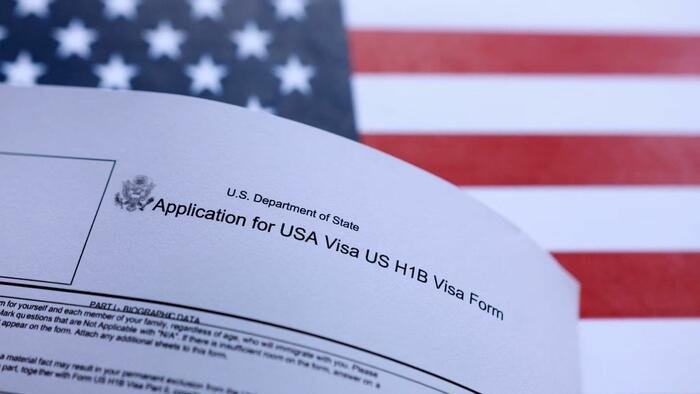
The Trump administration proposes $103,265 fee for H-1B visas
The Trump administration plans to charge employers a fee of $103,265 for H-1B skilled foreign workers, according to a proposed regulation posted on Monday. Revenue from the fee would be used to offset the costs of running the federal immigration system – including courts and US Immigration and Customs Enforcement (ICE).
A similar $100,000 fee was shot down in June by an Obama-appointed federal judge in Massachusetts, after Trump attempted to implement it via presidential proclamation and 20 blue states went apeshit. The administration’s argument is that the H-1B program has been used to take jobs from Americans, and the additional fee would cause employers to consider the cost of just hiring Americans.
Citing a working paper in the National Bureau of Economic Research, the new proposed regulation argues that the new fee would make employers “less likely to hire an H-1B worker over a qualified and highly-skilled American.” The paper found that H1-B workers make on average around 15% less than American counterparts.
The program, passed by Congress in 1991, lets employers hire 65,000 skilled foreign workers per year – with an additional 20,000 visas available for workers who hold advanced degrees from US universities.
The new proposed regulation is set to publish in the Federal Register today – and would exempt some groups such as most US colleges, universities and nonprofit hospitals associated with academic institutions. Unlike last year’s proposal, this one would apply to many people already living in the US – not just new applications submitted from abroad.
The new rule would also restrict a major pathway used by tech companies. In recent years, Amazon has received the most H-1B visas – with over 9,300 approved petitions in FY2026 through June 30, the Washington Post notes – citing US Citizenship and Immigration Services data. Other companies using the H-1B program are India-based IT and outsourcing firms such as Infosys and Tata Consultancy Services, followed by American companies Apple and Microsoft.