
Efficient Ways to Save on Utility Bills with Smart Home Technology
In today’s world, utility bills can quickly accumulate due to the increased reliance on heating, cooling, electronics, and smart devices. The good news is that modern home technology offers practical and affordable ways to save energy without compromising comfort. From smart thermostats to motion-sensor lighting, small home upgrades can lead to significant savings over time.
Whether you reside in a house in Richmond, VA, or an apartment in Brooklyn, NY, investing in sustainable in-home technology can also enhance long-term property value. Here are some of the smartest ways to reduce utility costs while making your home more energy-conscious.
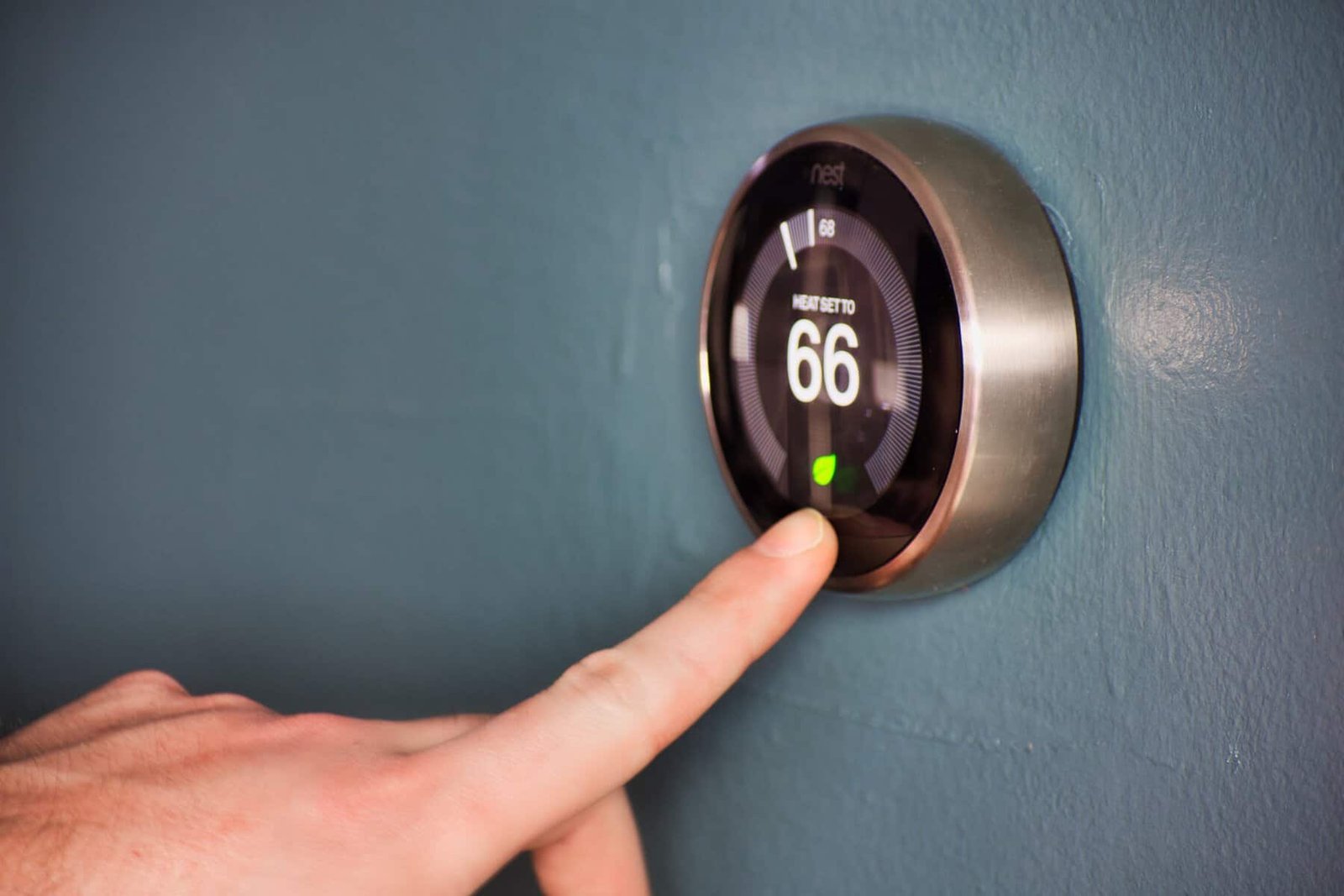
1. Use Smart Thermostats to Reduce Heating and Cooling Costs
Heating and cooling are major contributors to household energy consumption. Upgrading your temperature controls can have a significant impact on your monthly bills.
Smart thermostats can automate temperature changes based on your routine, optimizing energy usage. These thermostats adjust the temperature based on weather conditions and occupancy, leading to energy savings.
Pairing smart thermostats with high-efficiency HVAC systems can further enhance comfort while reducing energy consumption.
2. Enhance Lighting Efficiency with LEDs and Smart Controls
Replacing traditional switches with smart dimmers and using dimmable LEDs can lower lighting costs significantly. Dimming LEDs reduces energy consumption and extends bulb lifespan.
Motion-sensor lighting in areas like garages and closets prevents unnecessary energy usage. Automating lighting controls with timers or sensors can make a noticeable difference over time.
3. Opt for Off-Peak Appliance Usage
Using high-energy appliances during off-peak hours can lower electricity costs. Running appliances like washing machines during non-peak energy hours reduces strain on the electrical grid.
Appliances with scheduling options can automate energy-saving habits. Smart plugs can also be used to control appliance usage and optimize energy consumption.
4. Upgrade Home’s Electrical System for Improved Efficiency
Modern electrical upgrades, such as smart thermostats, lighting controls, and EV chargers, provide better visibility and control over energy use. Upgraded electrical panels support higher-capacity systems and prepare homes for future technology needs.
5. Prepare Home for Long-Term Energy Savings
Installing EV chargers and solar-ready setups can lead to significant long-term energy savings. These upgrades help shift energy usage, reduce utility costs, and increase home value over time.
6. Reduce Water Waste with Smart Plumbing Upgrades
Water-saving fixtures, high-efficiency water heaters, and leak detection systems can reduce water waste and lower monthly expenses. Plumbing upgrades play a crucial role in managing power consumption and enhancing energy efficiency.
Conclusion
Smart home technology offers automated solutions to reduce wasted energy and optimize energy consumption. By combining various home upgrades, homeowners can create an efficient home that saves energy and money in the long run.
Creating a more energy-efficient home doesn’t always require major renovations. Small upgrades like LED lighting, smart thermostats, and appliance scheduling can result in significant savings over time. Embracing smart home technology is a practical way to start saving on utility bills.