
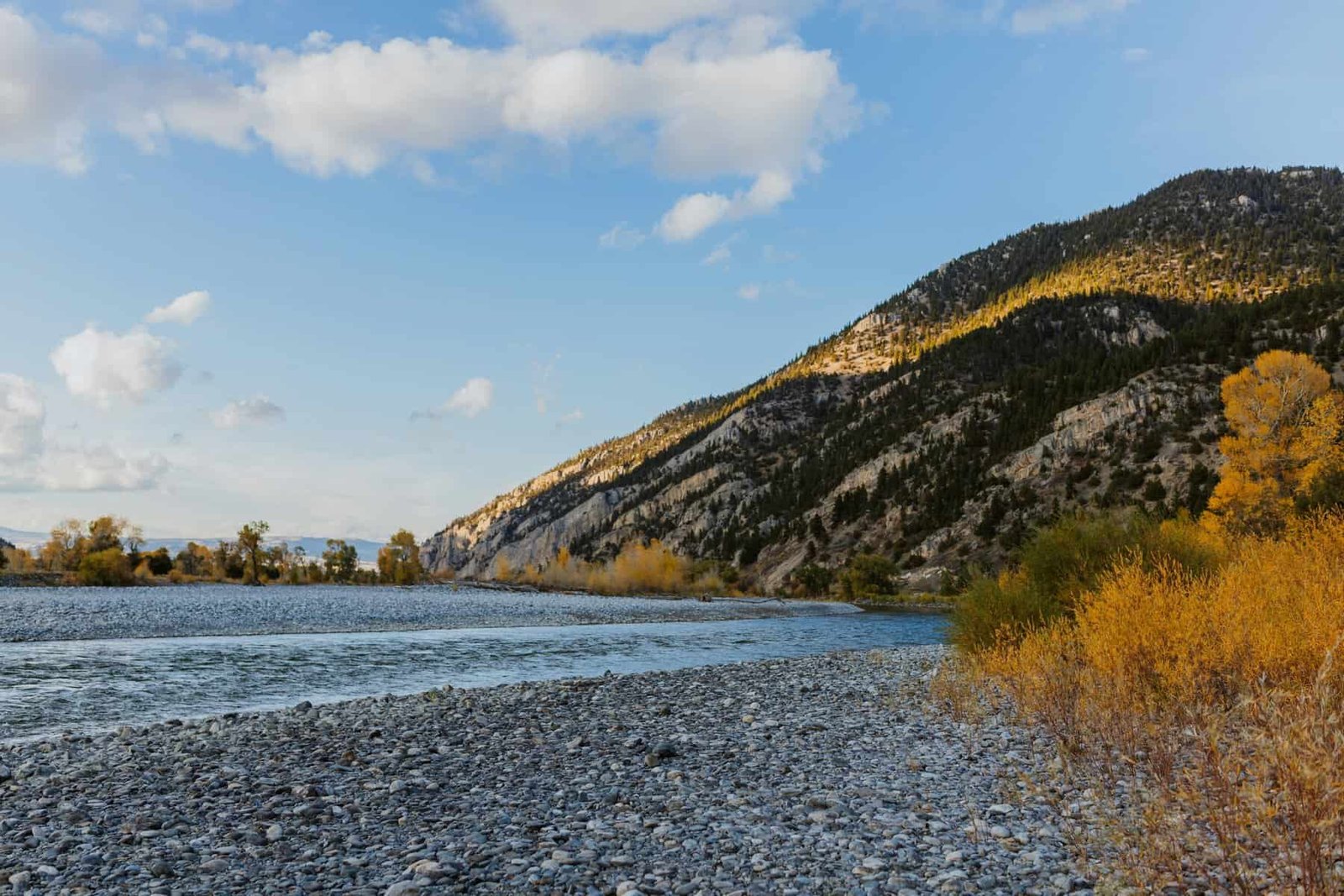
John Mayer has traded sold-out concerts for a quieter life in the mountains of Montana, specifically in Livingston, MT, in the Paradise Valley. Nestled on 15 acres along the Yellowstone River, his rustic Montana retreat offers ample space, breathtaking views, and a barn-turned-recording studio where he can work on his music from the comfort of his home.
Curious about the cost of living in John Mayer’s neighborhood in this picturesque corner of Montana? This Redfin guide breaks down everything from local home prices and property taxes to insurance and the additional expenses that come with owning a large piece of land in the Livingston area.
The following estimates showcase the potential cost of purchasing and maintaining a $1.25M house in the Paradise Valley, MT area. These are not specific to Mayer’s actual expenses.
Key takeaways
– Estimated home value: ~$1.25M
– Estimated mortgage (20% down, ~6.5% interest): ~$6,320+/month
– Property taxes: ~$3,800/year (~$300+/month)
– Insurance: ~$3,600–$4,800/year (~$300–$400/month)
– Down payment expectations:
10%: ~$125,000
20%: ~$250,000
30%: ~$375,000
Estimated total monthly cost of ownership: ~$7,000–$8,000+
Bottom line: Living in Paradise Valley offers a unique blend of open space, breathtaking mountain views, and a serene Montana lifestyle. However, owning a home on substantial acreage entails expenses beyond the initial purchase price. In addition to the mortgage, homeowners should budget for property taxes, insurance, snow removal, well and septic maintenance, land upkeep, and other rural property costs. For those attracted to the privacy and natural beauty of the area, the lifestyle can be a worthwhile investment – but understanding the full cost of ownership is crucial.
What it takes to buy a home in Paradise Valley
Paradise Valley’s wide-open Montana setting has drawn celebrities, second-home buyers, and outdoor enthusiasts alike. While the median sale price for all homes in Livingston was around $482,000 as of June 2026, properties with significant acreage can command much higher prices.
John Mayer’s property stands out from the average acreage home. His 15-acre retreat with a custom home, Yellowstone River frontage, and a barn transformed into a recording studio makes direct comparisons with typical properties in the area challenging.
“Paradise Valley is situated between Bozeman and Yellowstone National Park and has been gaining popularity each year, with establishments like Sage Lodge and the new Auster at Dome Mountain attracting more attention,” shares Kate Hulbert, marketing director at Bozeman Real Estate Group. “Verified MLS sales data through July indicates that the 2026 median for single-family homes on 10 or more acres near Livingston is approximately $1.25 million YTD. Properties with substantial acreage are still available in this region. The views are captivating, but the challenges of residing in this area are real. Wildlife traversing the property, winter road maintenance, managing a private well and septic system, and the incredibly strong winds characteristic of this valley.”
Mortgage
Due to the higher home values for acreage properties in Paradise Valley compared to the broader Livingston market, monthly mortgage payments can vary significantly based on the purchase price, down payment, interest rate, and loan terms.
For instance, buying a median-priced acreage home in Paradise Valley for $1.25 million with a 20% down payment ($250,000) would result in a loan amount of around $1 million. At a 30-year fixed mortgage rate of 6.5%, the monthly principal and interest payment would be approximately $6,320 per month.
Taxes
Property taxes in Paradise Valley can vary based on a property’s taxable value, location, and classification. Montana’s 2026 property tax system uses a tiered structure for qualifying primary residences, applying different rates to various portions of a home’s market value.
“Buyers focus on the house price and overlook the ongoing costs,” notes Stacy Bennin. “Starting in 2026, Montana sets the taxable value for a second home or short-term rental at a flat 1.90% of market value, while a primary residence you occupy at least seven months a year starts at 0.76%, so two nearly identical houses on the same road can carry very different bills.”
For a home around the $1.25 million median price for 10-plus-acre properties near Livingston, homeowners could expect to pay approximately $3,800 per year in property taxes. The actual tax bill can vary depending on the property’s assessed value, acreage, classification, and local mill levies, so buyers should review the property’s specific tax history when planning for a purchase.
Insurance
The cost of homeowners insurance in Paradise Valley can vary depending on the home’s location, age, construction, coverage level, and proximity to potential risks. Larger properties with acreage or additional structures may require more extensive coverage than a standard home.
Homeowners in the Paradise Valley area can anticipate paying around $300–$400 per month for homeowners insurance, although premiums can fluctuate significantly based on the property and coverage requirements.
Unique considerations for Paradise Valley homes
In addition to mortgage payments, property taxes, and insurance, homeowners in Paradise Valley should take the following factors into account:
- Acreage maintenance costs: Owning a large piece of land entails additional upkeep, from managing fences and landscaping to overseeing outbuildings, private roads, and other property features. The more acreage a home has, the more time and money may be necessary for maintenance.
- Well and septic systems: Many rural properties in Paradise Valley rely on private wells and septic systems rather than municipal water and sewer services. Homeowners are responsible for maintaining these systems, which can incur ongoing costs and require occasional repairs or inspections.
- Winter weather and snow removal: Paradise Valley experiences harsh, snowy winters, and homeowners with lengthy or private driveways may need to arrange for regular snow removal. Maintaining accessible roads throughout the winter can become a significant expense for properties with substantial acreage.
- Utilities and infrastructure: Rural homes may have additional infrastructure costs not typical in more developed areas, such as private wells, septic systems, propane, generators, and longer utility connections.
- Wildlife and natural surroundings: Living in Paradise Valley means sharing the environment with Montana’s wildlife. Deer, elk, bears, and other animals may traverse rural properties, necessitating homeowners to take extra precautions with fencing, landscaping, waste disposal, and other property maintenance aspects.
- Strong winds and weather exposure: Paradise Valley is renowned for its strong winds, which can contribute to wear and tear on roofs, siding, fencing, trees, and outdoor structures. Homeowners should consider weather-related maintenance and repairs in their long-term budget.
Down payment expectations
Prospective buyers eyeing a home in Paradise Valley should be prepared for a substantial down payment, especially when purchasing a larger acreage property. While down payment requirements vary by lender and loan type, putting down 20% is a common standard and can help buyers avoid private mortgage insurance on conventional loans.
For a typical $1.25 million residence in Paradise Valley, buyers should anticipate a significant cash outlay at closing, even with conventional financing:
- 10% down: $125,000
- 20% down: $250,000
- 30% down: $375,000
Home styles commonly seen in Paradise Valley
Properties in Paradise Valley mirror its rugged Montana landscape, featuring architecture that highlights natural materials, expansive views, and a seamless connection to the outdoors. From traditional ranch-style homes to contemporary mountain getaways, residences in the area often blend rustic charm with modern comforts.
Common home styles in the region include:
- Ranch-style homes: Perfectly suited for Montana’s vast landscape, ranch homes are usually single-story or low-profile with open layouts, large windows, and generous outdoor areas. Many are situated on extensive parcels of land and designed to capitalize on mountain and valley vistas.
- Rustic and log homes: Log cabins and rustic residences are iconic elements of the Montana aesthetic. These properties commonly feature exposed wood beams, stone fireplaces, natural materials, and expansive windows that bring the outdoors inside.
- Mountain-modern homes: Contemporary luxury properties often adopt a more modern approach to mountain living, blending clean lines and expansive glass with wood, stone, and other natural elements. These homes are designed to feel contemporary while retaining their ties to the surrounding landscape.
- Ranch and equestrian properties: With ample land available throughout Paradise Valley, buyers can find properties tailored for ranching or equestrian purposes. These homes may include barns, corrals, guest accommodations, workshops, and other outbuildings alongside the primary residence.
- Luxury custom homes: Many of Paradise Valley’s high-end properties are custom-built to leverage their unique surroundings. These residences may feature expansive outdoor living spaces, floor-to-ceiling windows, private guest quarters, and upscale finishes tailored to the property and its views.
Renting vs. buying in this area
Renting in Paradise Valley can offer a more flexible way to experience the area without shouldering the costs and responsibilities of owning an acreage property. However, purchasing can be a significant long-term investment for those seeking to establish roots in the region.
- Median rent: ~$1,500/month
Redfin’s rental data for Livingston and its surroundings indicates rents ranging from approximately $1,000 to $4,000 per month, depending on the property’s size and location.
For a $1.25 million home, a 20% down payment and a 30-year fixed mortgage at 6.5% would result in an estimated monthly principal and interest payment of about $6,320.
Note: Median rent reflects the broader Livingston rental market, not acreage properties comparable to the $1.25M example above.