
Authored by Michael Snyder via The Economic Collapse blog,
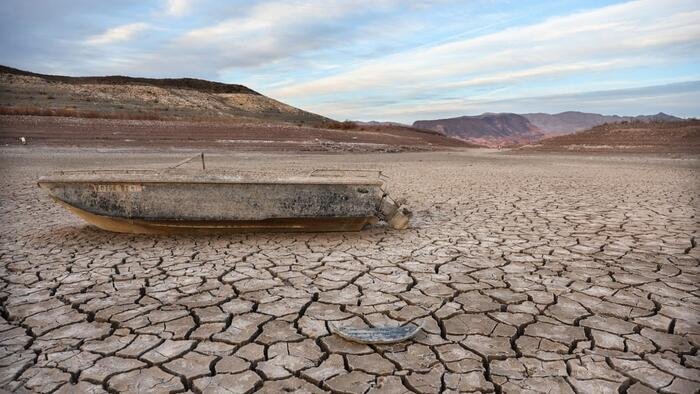
The first three months of 2026 were historically dry across the United States. This period marked the driest start to a year in U.S. history, surpassing even the Dust Bowl era of the 1930s. Hopes were high that 2026 would bring relief from the multi-year drought, but unfortunately, the situation has only worsened. Scientists confirm that the southwestern U.S. is currently facing the most severe multi-year drought in over 1,200 years. This phenomenon, known as a “megadrought,” has long been predicted by experts like Steve Quayle and Dane Wigington. The dire reality of this ongoing megadrought has now reached unprecedented levels in 2026.
With approximately 63% of the continental U.S. currently facing drought conditions, the first quarter of this year has set a record for its dryness. The devastating impact of this drought is evident in various regions, with reports of winter wheat wilting in Kansas, ranchers in New Mexico forced to sell cattle due to lack of feed, and reservoir levels along the Colorado River system plummeting prematurely. The severity of this crisis is truly catastrophic.
Notably, the winter wheat crop in the U.S. is expected to suffer greatly due to the drought. Over 81% of the Southern Plains are currently experiencing drought conditions, with nearly 20% classified as “extreme” or “exceptional” drought. This has led to a significant decline in the quality of the crop, with only 30% of U.S. winter wheat rated as good or excellent compared to 49% at the same time last year.
The situation is especially dire in Oklahoma, where projections indicate a drastic reduction in wheat production compared to previous years. The state is expected to produce less than half of its 2025 wheat output due to the drought, posing a significant challenge for Oklahoma wheat producers.
As a result of the dwindling wheat supply, prices are on the rise, reflecting the basic principle of supply and demand. Farmers like Gary Millershaski in Southwest Kansas are struggling to maintain crops with minimal precipitation, highlighting the dire circumstances faced by agricultural producers.
Chicago wheat futures have surged by approximately 30% since the beginning of the year, driven by a combination of U.S. drought, global fertilizer shortages, and potential El Niño impacts. The looming threat of a “super El Niño” could exacerbate the current crisis, leading to further production losses and price hikes for wheat and other commodities.
The escalating challenges in the agricultural sector are not limited to wheat production; beef prices have also reached unprecedented levels. The U.S. cattle herd remains at its smallest size since 1951, contributing to high consumer beef prices and a shortage of meat products in the market. Ranchers are facing difficulties in maintaining their herds amid dry conditions and high demand, further straining the beef industry.
Looking ahead, the prospect of worsening drought conditions and the potential impacts of El Niño pose additional threats to food production and supply chains. Meteorologists are warning of extreme weather patterns in the coming months, indicating a prolonged crisis with no immediate resolution in sight.
The current situation underscores the urgent need for proactive measures to address the challenges posed by climate change and water scarcity. As global weather patterns continue to destabilize, it is crucial for policymakers, farmers, and communities to collaborate on sustainable solutions to mitigate the impacts of drought and ensure food security for future generations.