
The Impending Threat to the Petrodollar System
Article by Nick Giambruno via InternationalMan.com
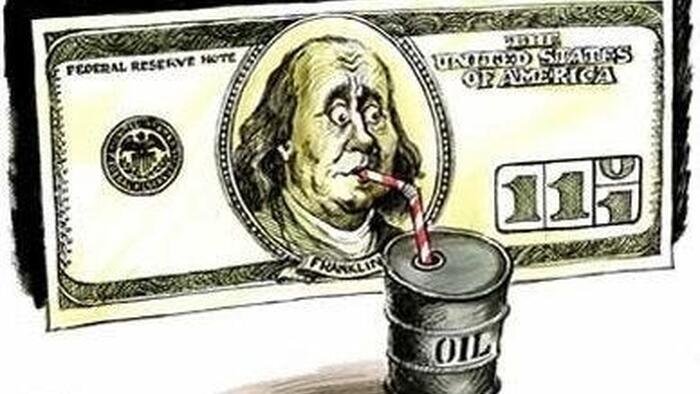
In the midst of escalating tensions in the Middle East, the petrodollar system faces a significant risk. The potential casualty of the Iran war could extend far beyond physical assets to the very foundation of the global financial system.
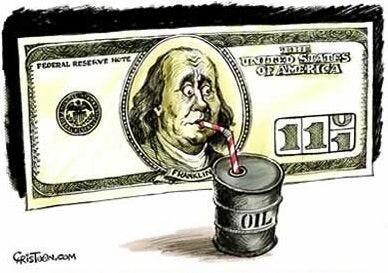
For over half a century, the US has provided military protection to key Gulf nations, such as Saudi Arabia and Kuwait, in exchange for pricing their oil in US dollars and investing significant portions of their oil revenue in US financial assets, particularly Treasuries.
This symbiotic relationship has bolstered the demand for dollars and US debt globally, providing crucial support to the American currency since the Nixon era. However, the recent geopolitical landscape threatens to disrupt this arrangement.
The crux of the matter lies in the US’s obligation to safeguard the Gulf monarchies’ interests. Should these nations doubt America’s ability to shield their oil infrastructure, cities, and regimes from potential threats like Iran, they may reconsider their commitment to the petrodollar system.
This shift in perspective could have profound implications for the international monetary framework, as highlighted by Congressman Ron Paul two decades ago.
Ron Paul’s Prophetic Warning
In a prescient speech titled “The End of Dollar Hegemony” delivered in 2006, Ron Paul foresaw a pivotal moment when oil-producing countries would demand gold, or its equivalent, for their oil instead of dollars or euros.
Paul’s insight underscores the significance of monitoring oil producers’ behavior, as their shift away from the dollar could signify a seismic change in the financial landscape.
The Potential Eastward Pivot of Gulf States
The Gulf Cooperation Council, comprising major oil-exporting nations like Saudi Arabia and the UAE, holds immense significance in global oil trade. With China emerging as a primary trading partner for these states, there is a natural inclination to explore avenues for conducting trade outside the dollar realm.
While geopolitical constraints previously hindered a substantial pivot towards China due to reliance on US security assurances, the evolving Iran war scenario alters this calculus.
If the Gulf nations perceive a diminishing US capability to protect their interests and view the American military presence as a liability, they may seek closer ties with China while engaging in diplomatic rapprochement with Iran.
Such a strategic realignment could weaken the petrodollar system, a pillar that has long supported the global financial order.
From Petrodollar to Petroyuan and Gold
China has strategically positioned itself to offer an alternative to oil exporters through the petroyuan system. By enabling oil producers to convert surplus yuan into physical gold, China presents a compelling option that mitigates political risks associated with holding US debt.
This transition from oil to gold bypasses the vulnerabilities inherent in the dollar-based financial system, offering oil exporters a secure pathway to diversify away from traditional reserves and safeguard their wealth against external interference.
As the Gulf states navigate this potential shift, investors must remain vigilant and adapt their strategies to mitigate risks associated with a dwindling demand for dollars and US debt.
Disclaimer: The views expressed here do not necessarily reflect those of ZeroHedge.