
When it comes to touring a house, knowing what to look for can make a huge difference in your homebuying journey. Whether you’re a first-time buyer or a seasoned pro, paying attention to key details during a home tour can help you make a more informed decision.
With the current housing market favoring buyers, taking the time to thoroughly evaluate each home you visit is crucial. By focusing on functionality, condition, and maintenance needs, you can narrow down your options and find a home that meets your needs.
Tips for Evaluating a Home During a Tour
During a home tour, it’s important to look beyond the surface features and staging of a property. Pay attention to the layout, functionality, and overall condition of the home. Use a house-hunting checklist to keep track of important details and compare multiple properties.
Consider the Layout and Functionality
Think about how the space will work for your daily life. Are the rooms spacious enough? Is there adequate storage? Does the floor plan suit your household’s needs?
Pay Attention to Details
Test out features like cabinets, toilets, faucets, and stairs during the tour. Take note of any visible damage or signs of neglect that may require further investigation.
Assess the Home’s Condition
Look for visible signs of wear and damage, such as water stains, cracks, or uneven floors. Make a note of any areas that may need repair or maintenance.
Inspect the Exterior
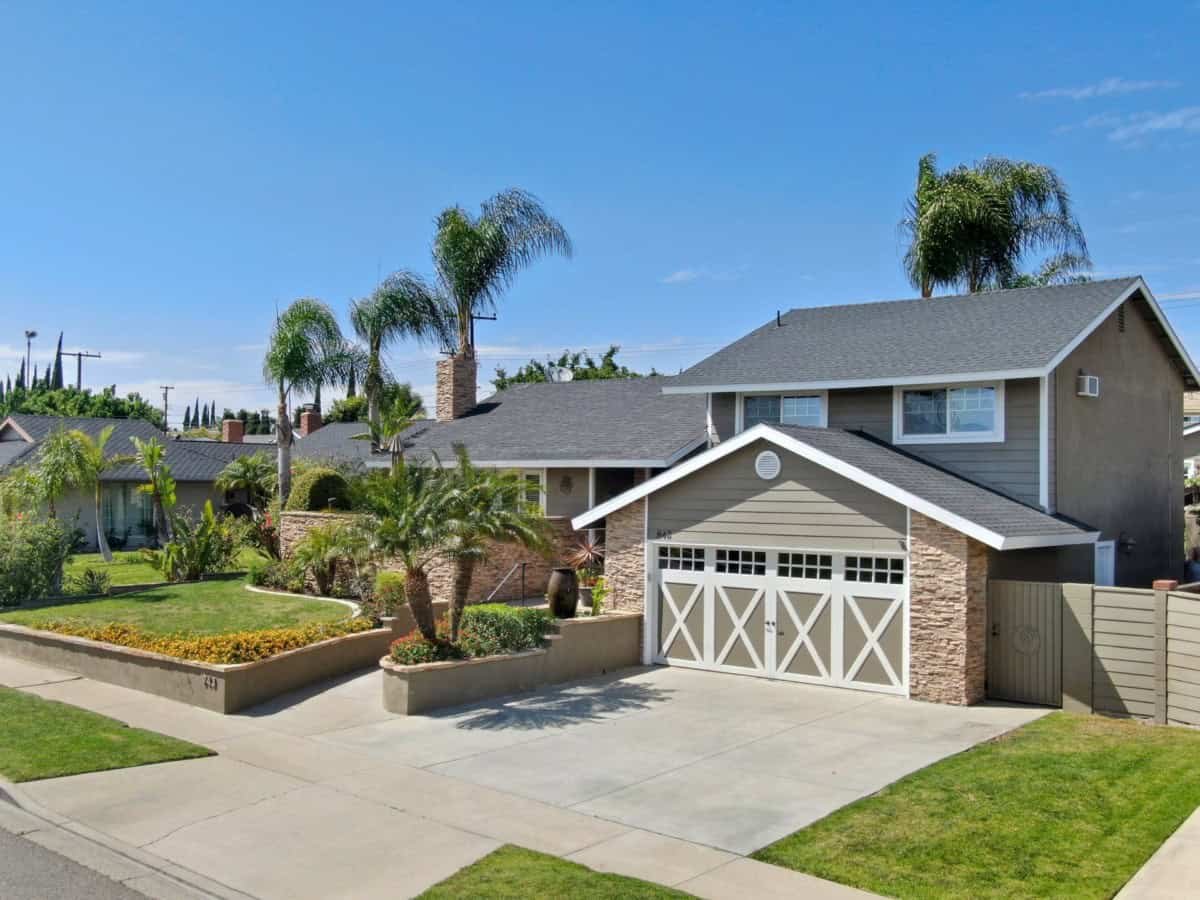
Don’t forget to walk around the outside of the property. Check the condition of the roof, siding, foundation, and landscaping. Consider the maintenance needs of the exterior space.
Engage Your Senses
Use all your senses to assess the home beyond its appearance.
Sight: Look for signs of damage, mold, and natural light levels.
Hearing: Listen for noise levels inside and outside the home.
Smell: Note any odors that could indicate issues like pests or mold.
Touch: Check water pressure, wall dampness, and floor stability.
Remember, a home tour is not a substitute for a professional inspection. Use the opportunity to gather information and identify any potential concerns before making a decision.
Key Questions to Ask During a Home Tour
Your real estate agent can provide valuable insights during a home tour. Be sure to ask about pricing, market trends, and the home’s history to make an informed decision.
Affordability Questions
- Is the home priced competitively for the market?
- What are the typical utility costs?
- Are there homeowner’s association fees?
Market-Related Questions
- How long has the home been on the market?
- How many offers have been made?
- What is the expected selling timeline?
Physical Condition Questions
- What improvements have been made to the home?
- Are there any known repairs or issues?
- What is the condition of the heating and cooling systems?
Preparing for a Home Tour
Before your home tour, research your must-haves and nice-to-haves. Take notes and photos during the tour to help you remember key details and compare different properties.
Explore the Neighborhood
Take time to explore the area around the home. Consider factors like noise levels, nearby amenities, and school ratings to get a sense of the neighborhood.
Evaluate Room Sizes and Layout
Think about how the floor plan and room sizes will meet your needs. Consider future use of the space and whether it aligns with your lifestyle.
Assess Natural Lighting
Take note of the natural light levels in each room. South-facing homes typically receive more sunlight throughout the day.
Consider Home Style Preferences
Think about the architectural style that appeals to you. Browse listings online to identify your preferred home style.
Be Mindful of Age-Related Hazards
If considering an older home, be aware of potential hazards like asbestos and lead-based paint. Factor in inspection and remediation costs if necessary.
Consider Outdoor Features
Think about your outdoor space preferences, such as yard size and potential additions like a pool or patio.
Spotting Red Flags During a Home Tour
Be alert for potential deal-breakers and red flags during a home tour. Watch out for signs of neglect, poor maintenance, and underlying issues that may impact your decision.
- Overly-scented rooms: Watch out for strong fragrances that may be masking unpleasant odors.
- Water stains and damage: Look for signs of water damage that could indicate underlying issues.
- Lack of maintenance: Note any signs of neglect like burnt-out lights and leaking faucets.
- Foundation issues: Check for cracks and signs of movement that may indicate foundation problems.
- Sagging ceiling: Investigate any sagging ceilings for potential structural issues.
- Fresh paint: Be cautious of fresh paint used to cover up issues in specific areas.
- Pest problems: Look for signs of pests like droppings and chewed wires that may require extermination.
Ask your agent about recent renovations and any permits required. Take note of any unfinished work for further inspection during the process.
Scheduling a Home Tour on Redfin
Booking a home tour on Redfin is easy and convenient. Follow the steps provided on the platform to schedule an in-person or virtual tour of your desired property.
Frequently Asked Questions
What should I look for inside the house?
Check for signs of damage, unusual odors, moisture issues, appliance conditions, and wear and tear.
What should I check outside the home?
Inspect the roof, foundation, drainage, and landscaping for any potential issues.
What are some signs of poor maintenance?
Look for neglected maintenance tasks like burnt-out lights, peeling paint, and leaking fixtures.
What should I ask my real estate agent during a tour?
Inquire about repairs, home history, utility costs, HOA rules, and market trends to gather essential information.
Final Thoughts on Home Tours
Being prepared and observant during a home tour can help you make a smart homebuying decision. Pay attention to details, ask questions, and trust your instincts when evaluating properties. Use the opportunity to gather information and make an informed choice that aligns with your needs and preferences.